


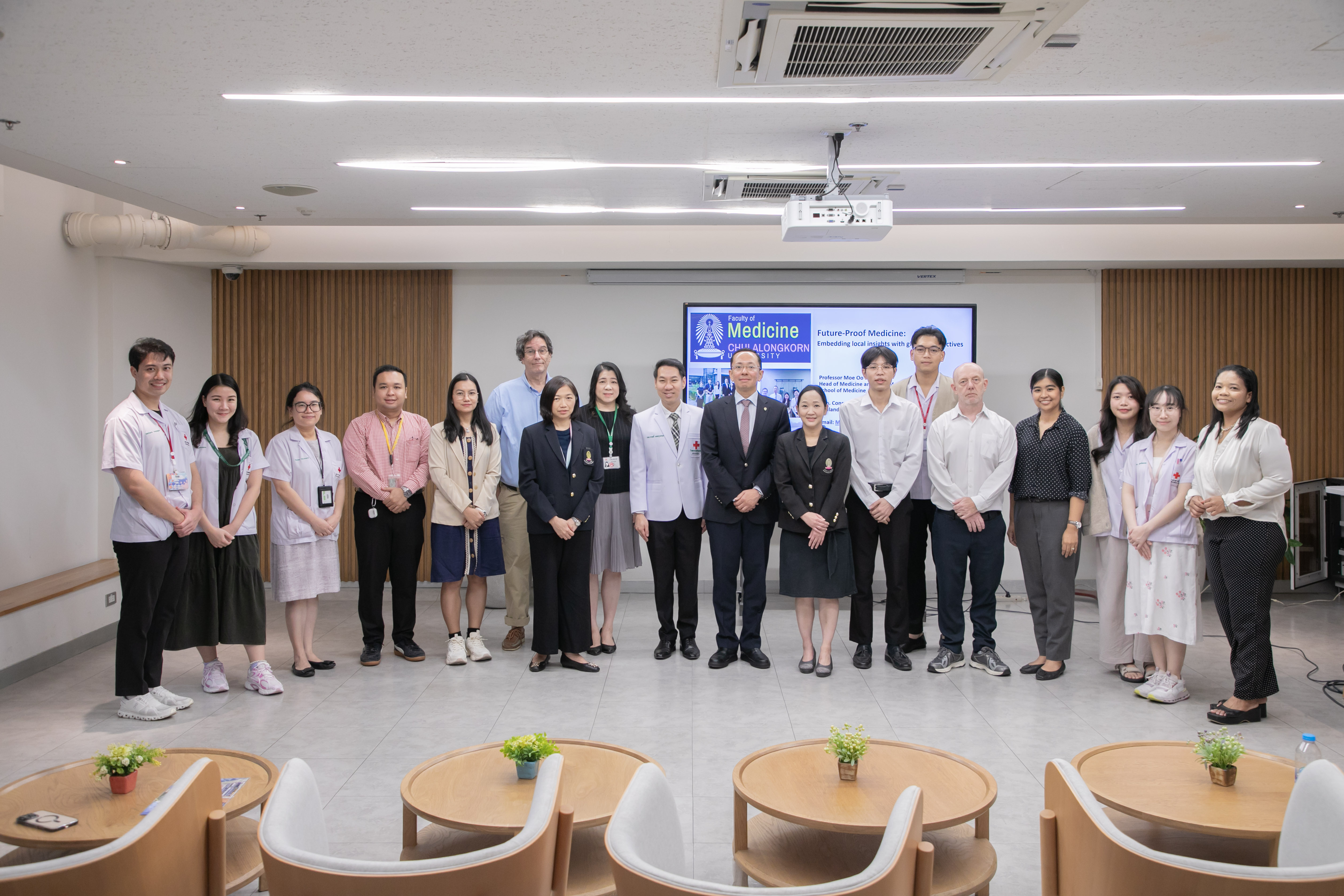
คณะแพทยศาสตร์ จุฬาฯ จัด Special Talk เชิญศาสตราจารย์จาก University of Leeds ถ่ายทอดแนวคิด “Future Proof Medicine” เชื่อมโยงบริบทชุมชนกับมุมมองระดับโลก
MDCU Hosts Special Talk by University of Leeds Professor on Future-Proof Medicine: Embedding Local Insights with Global Perspectives
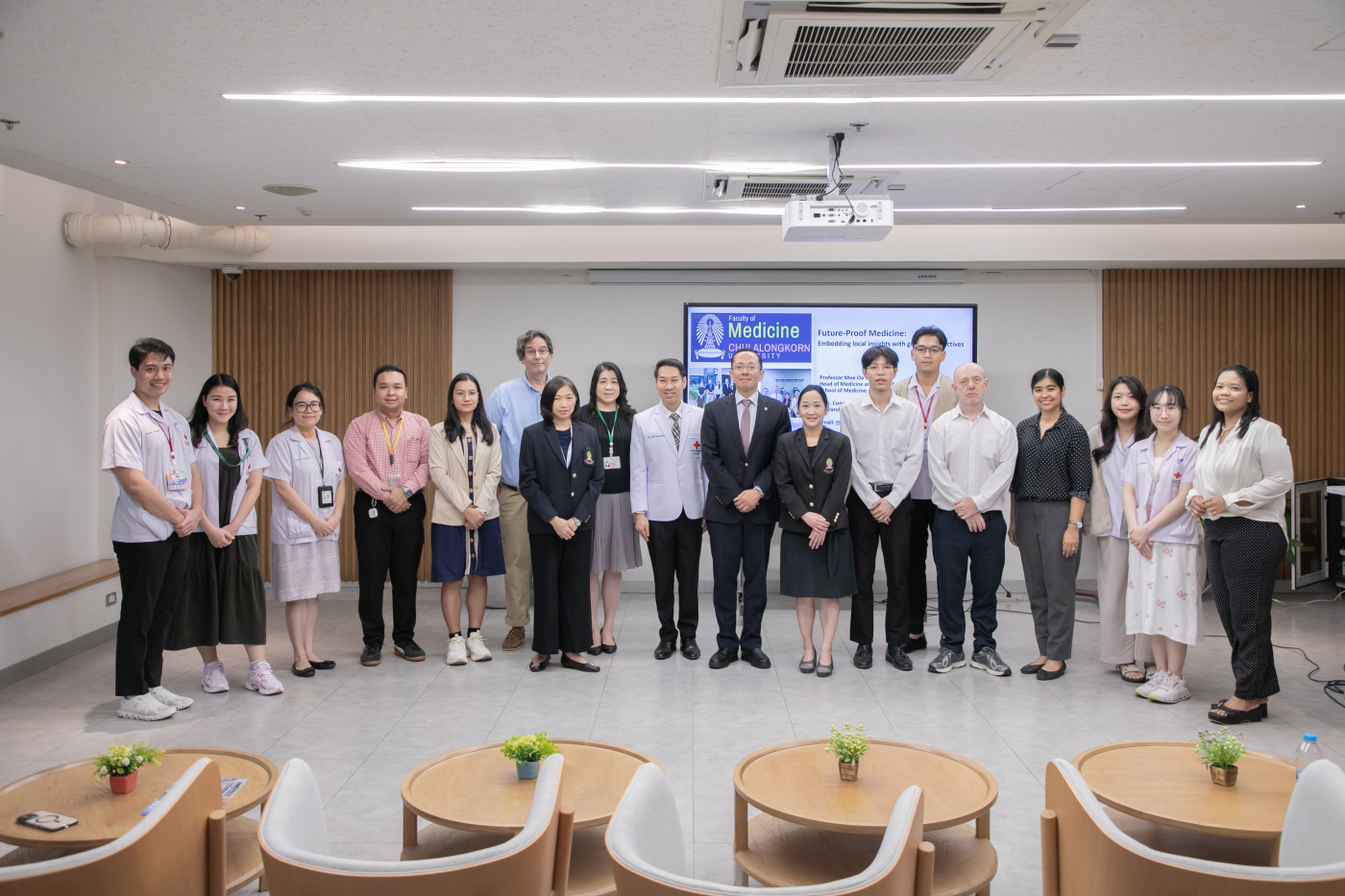
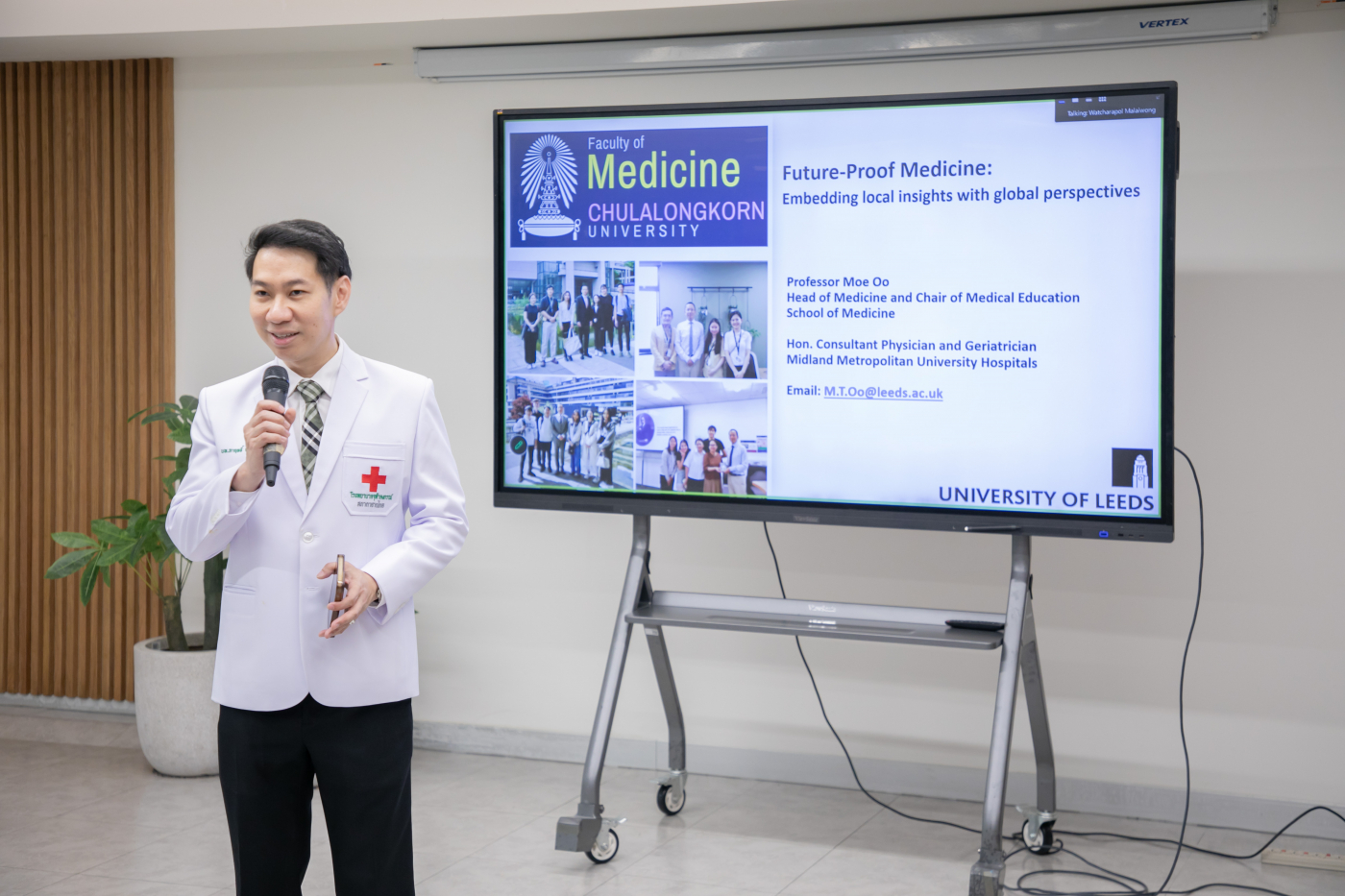
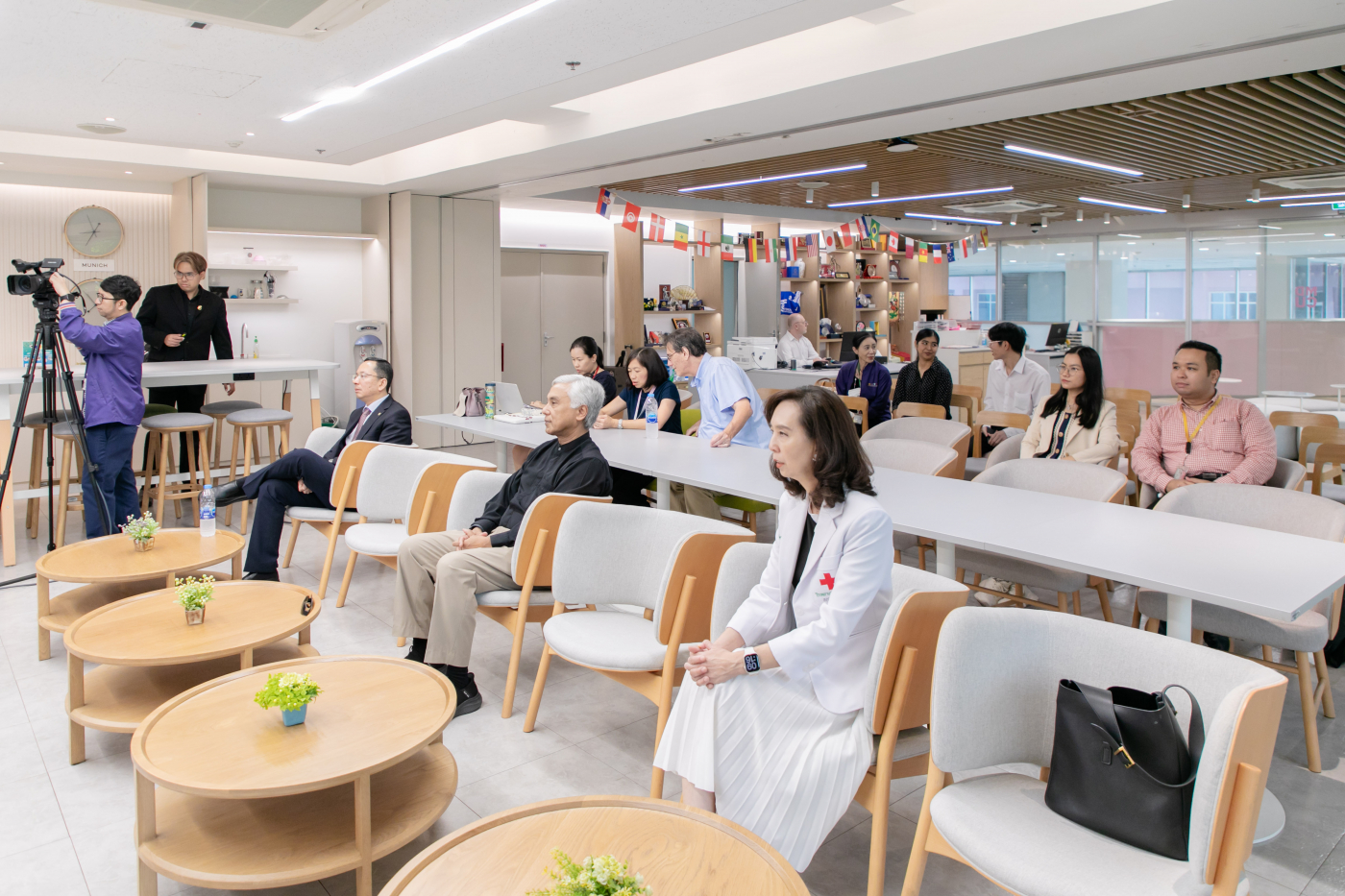
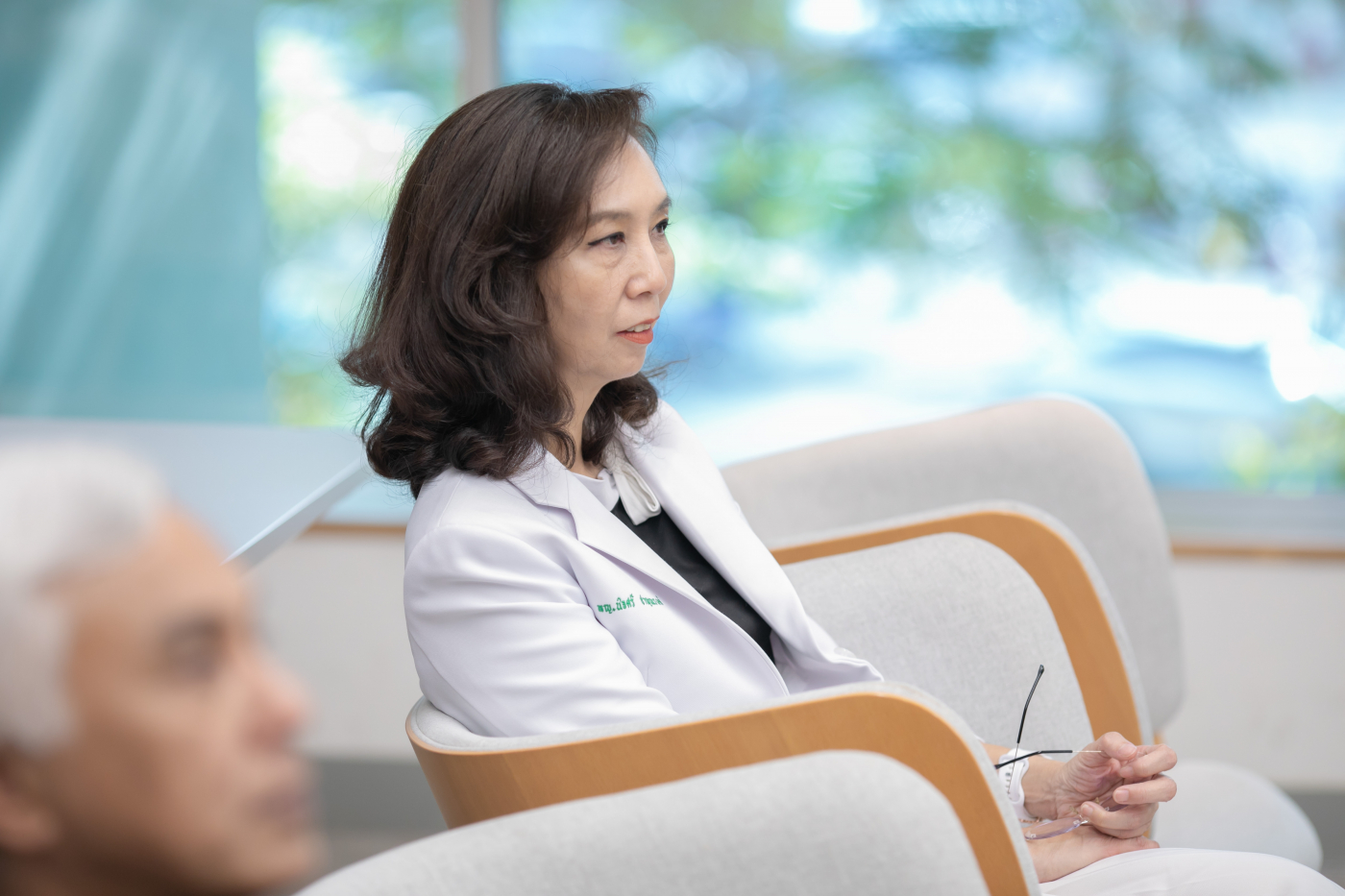
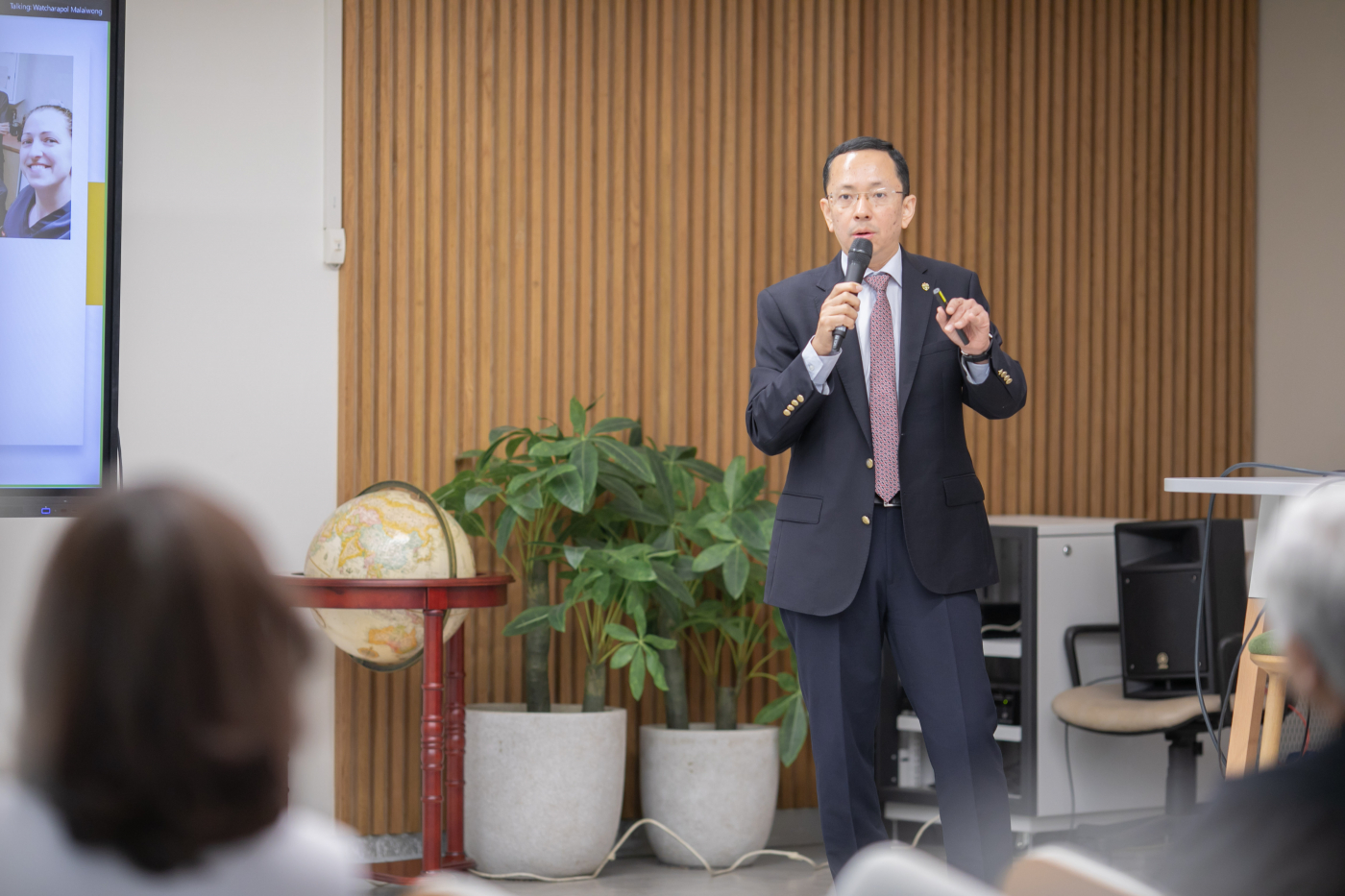
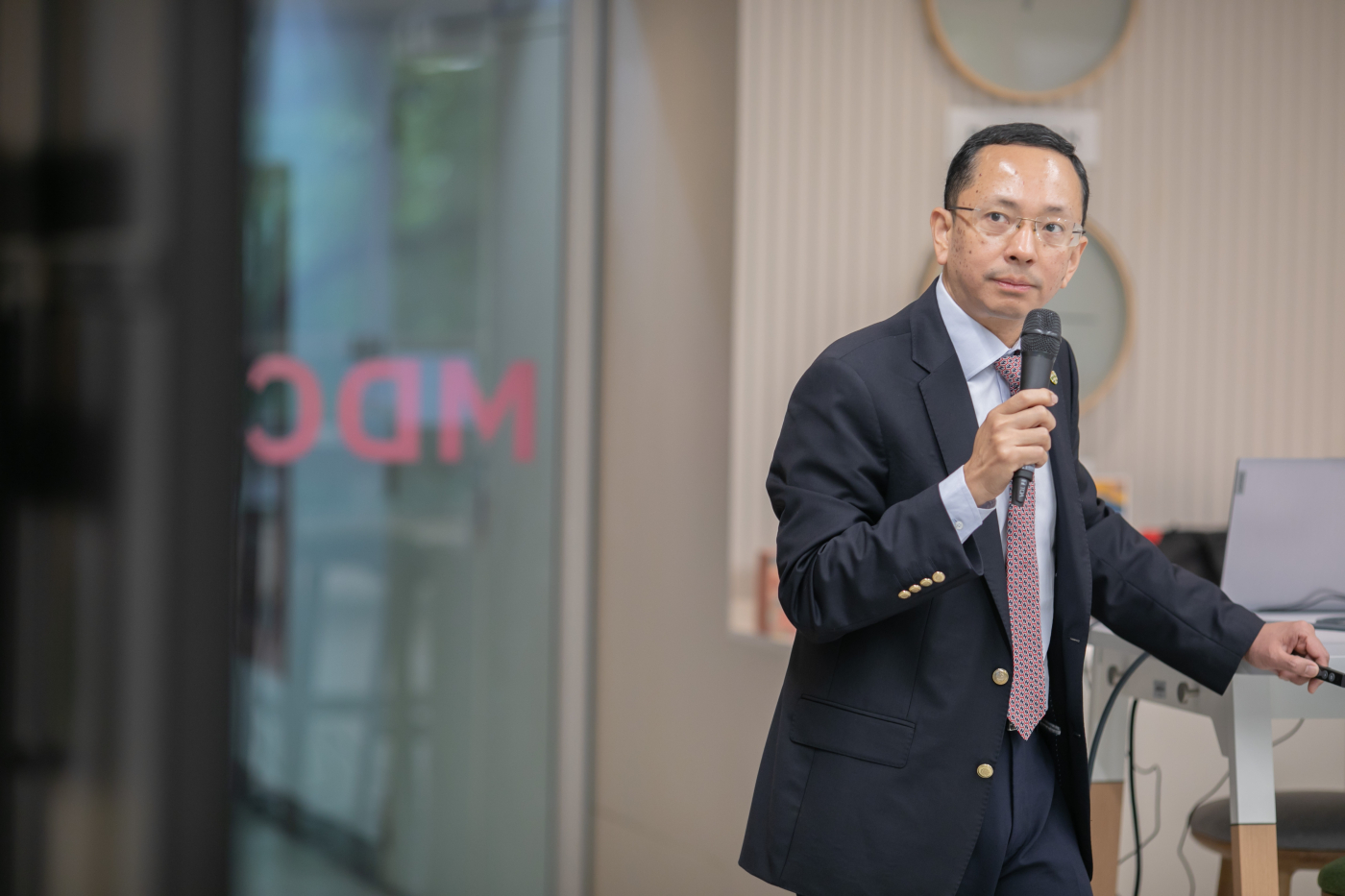
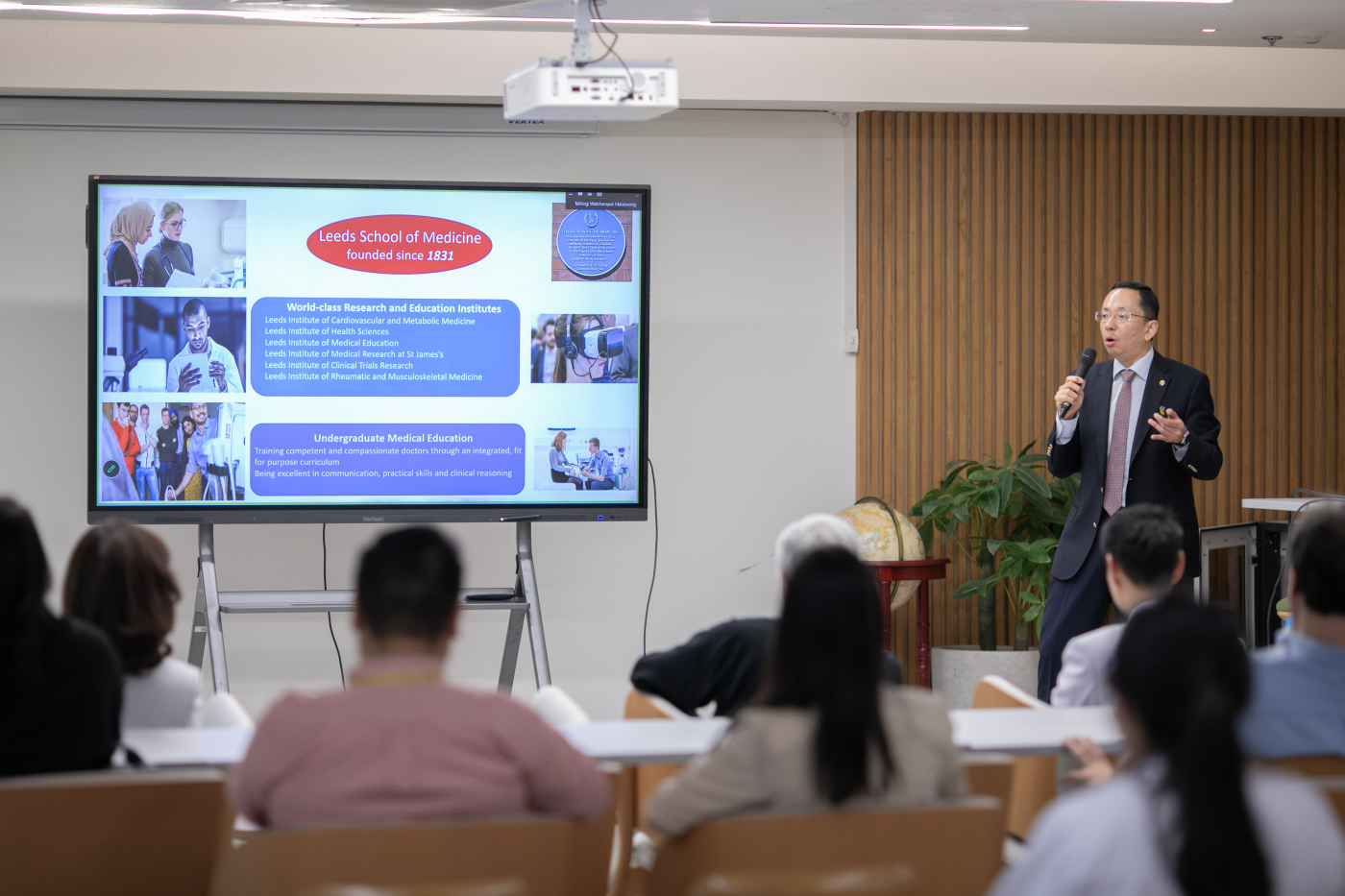
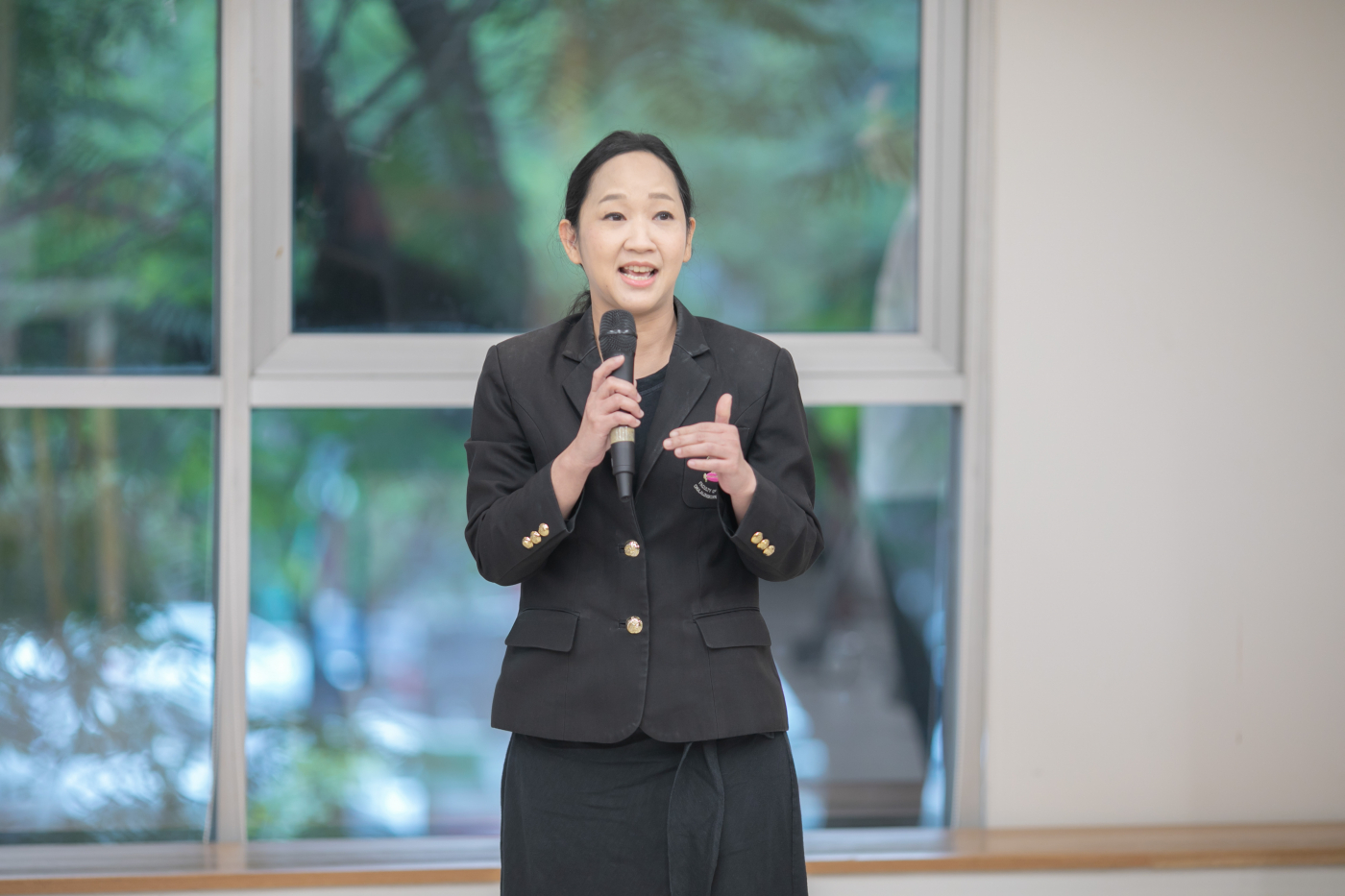
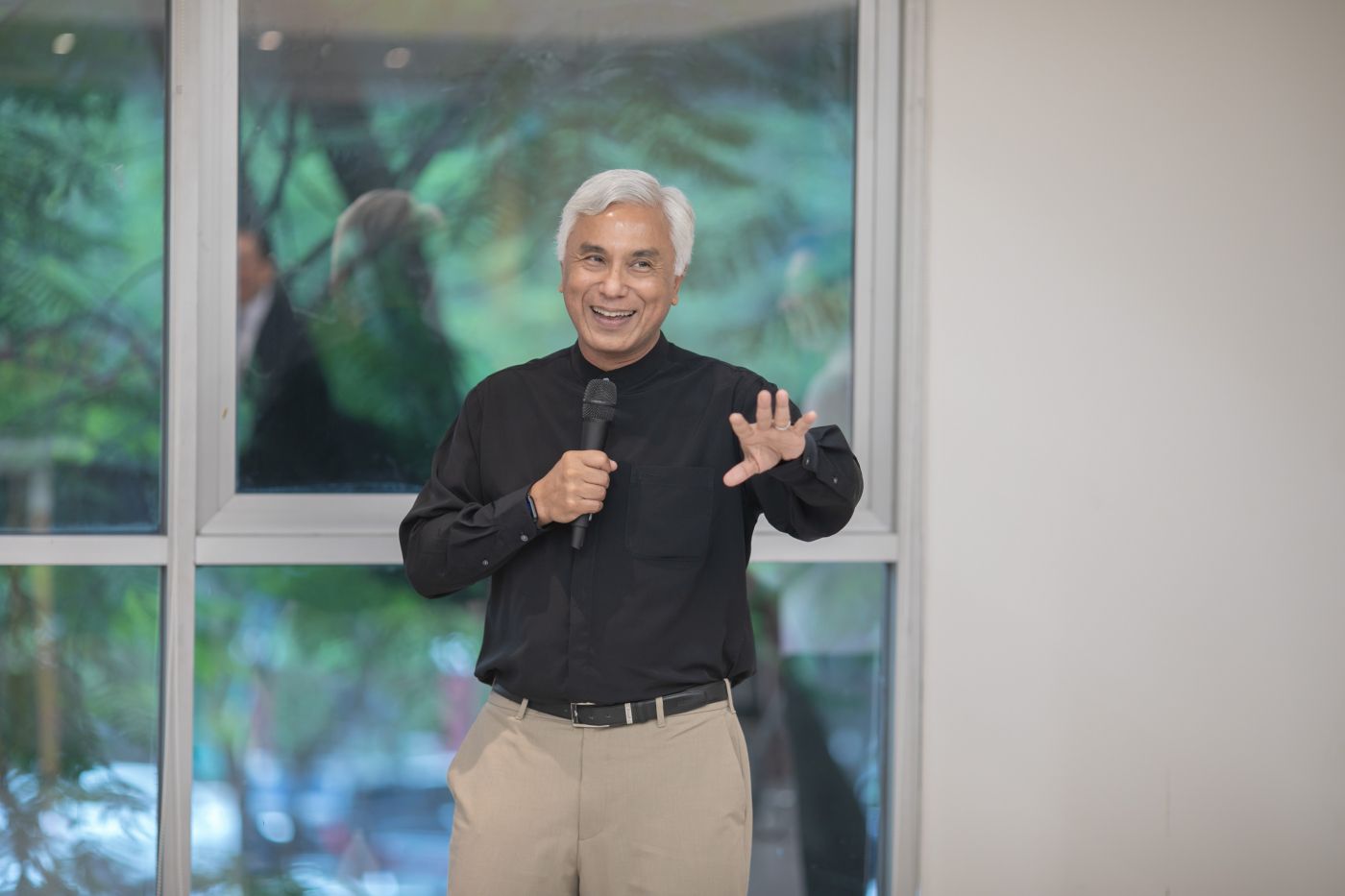
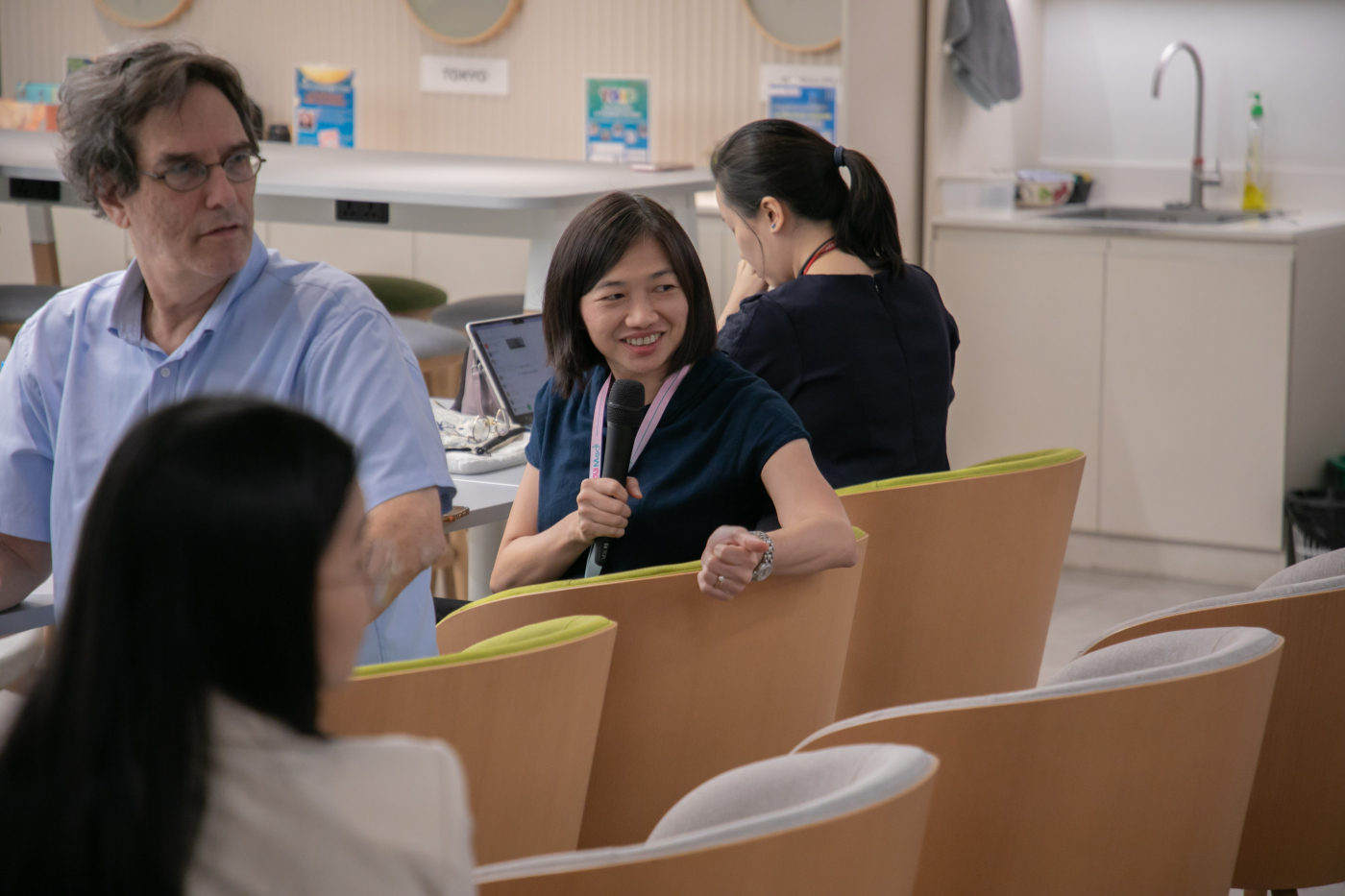
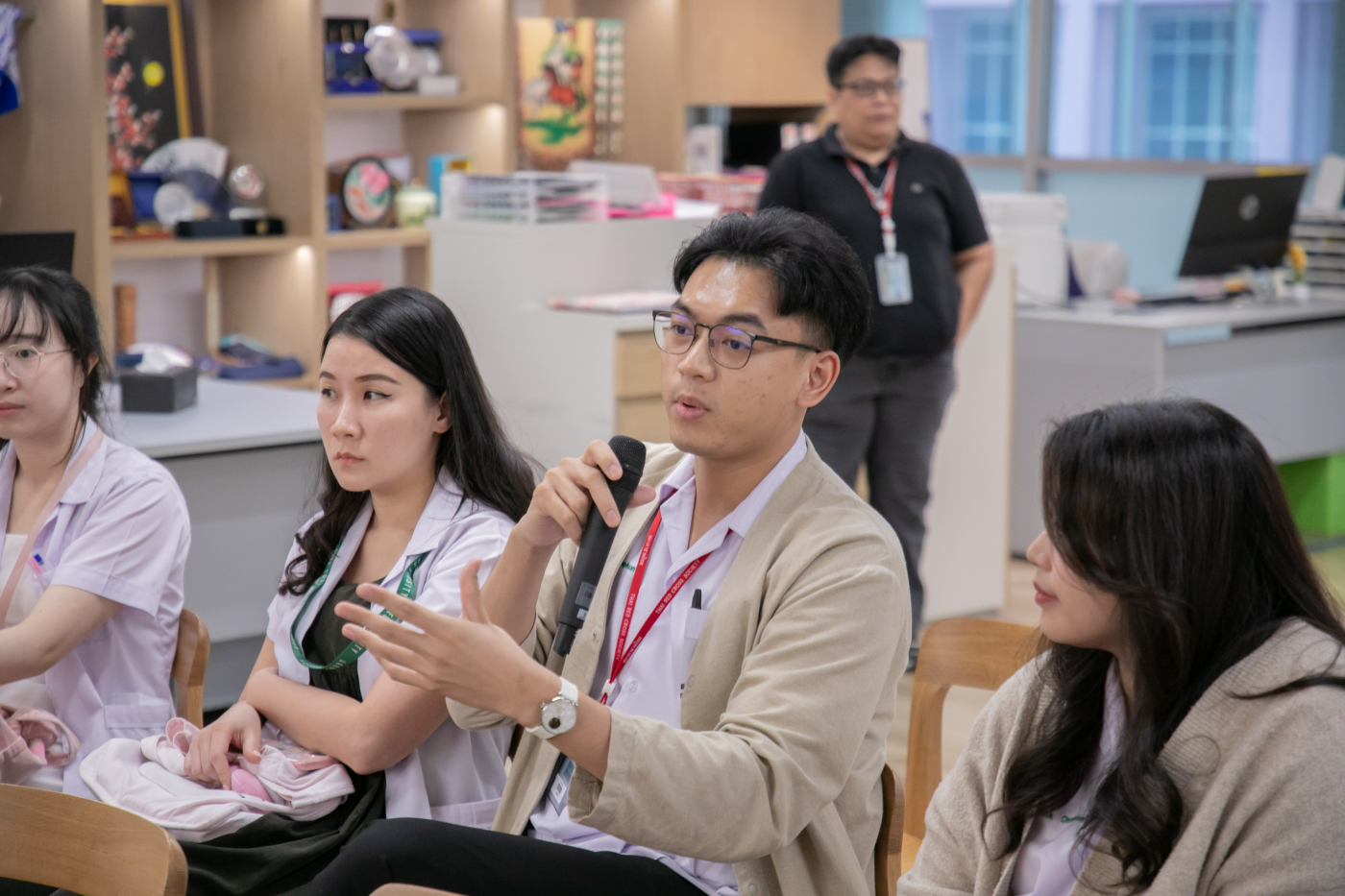
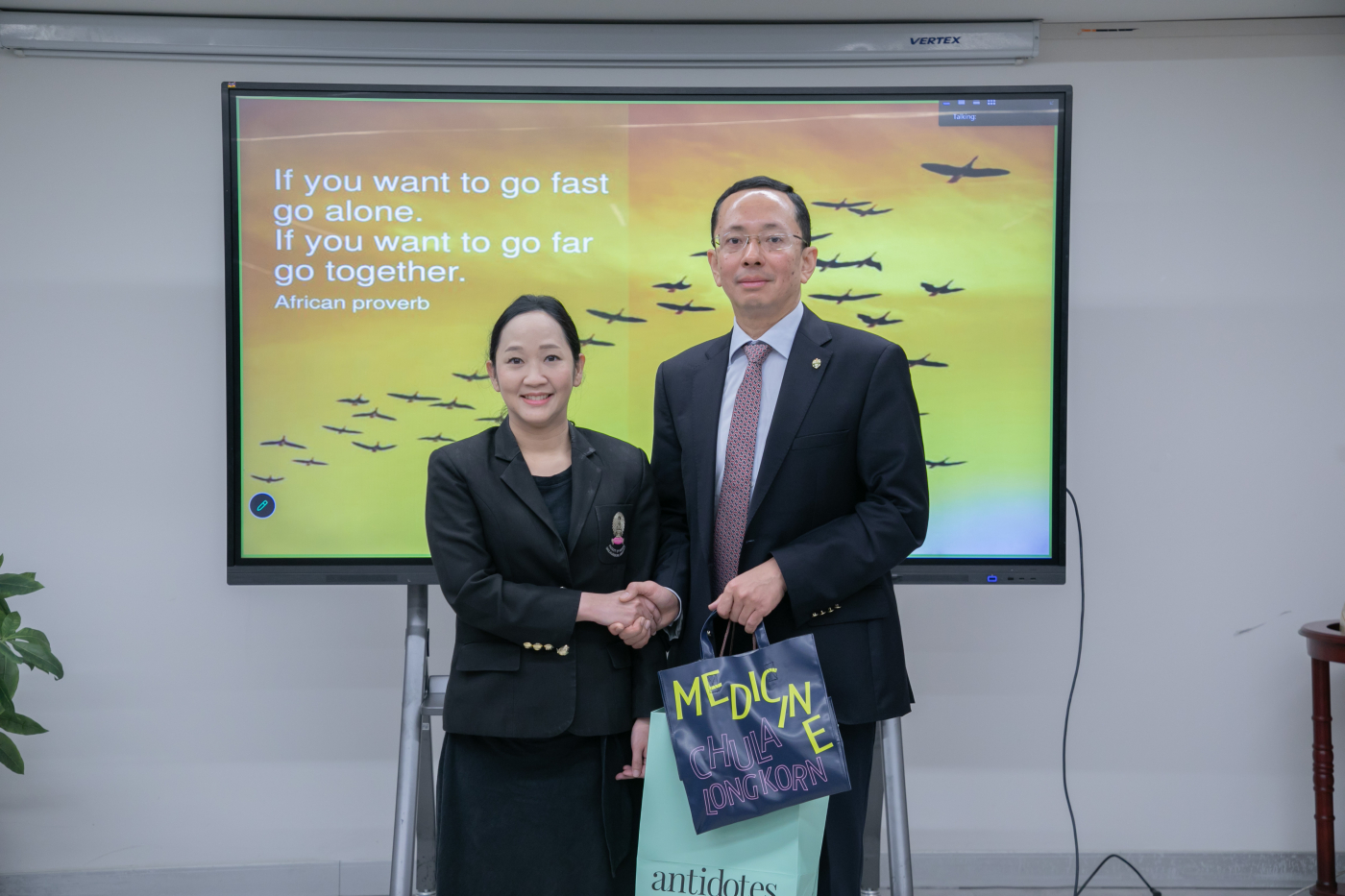
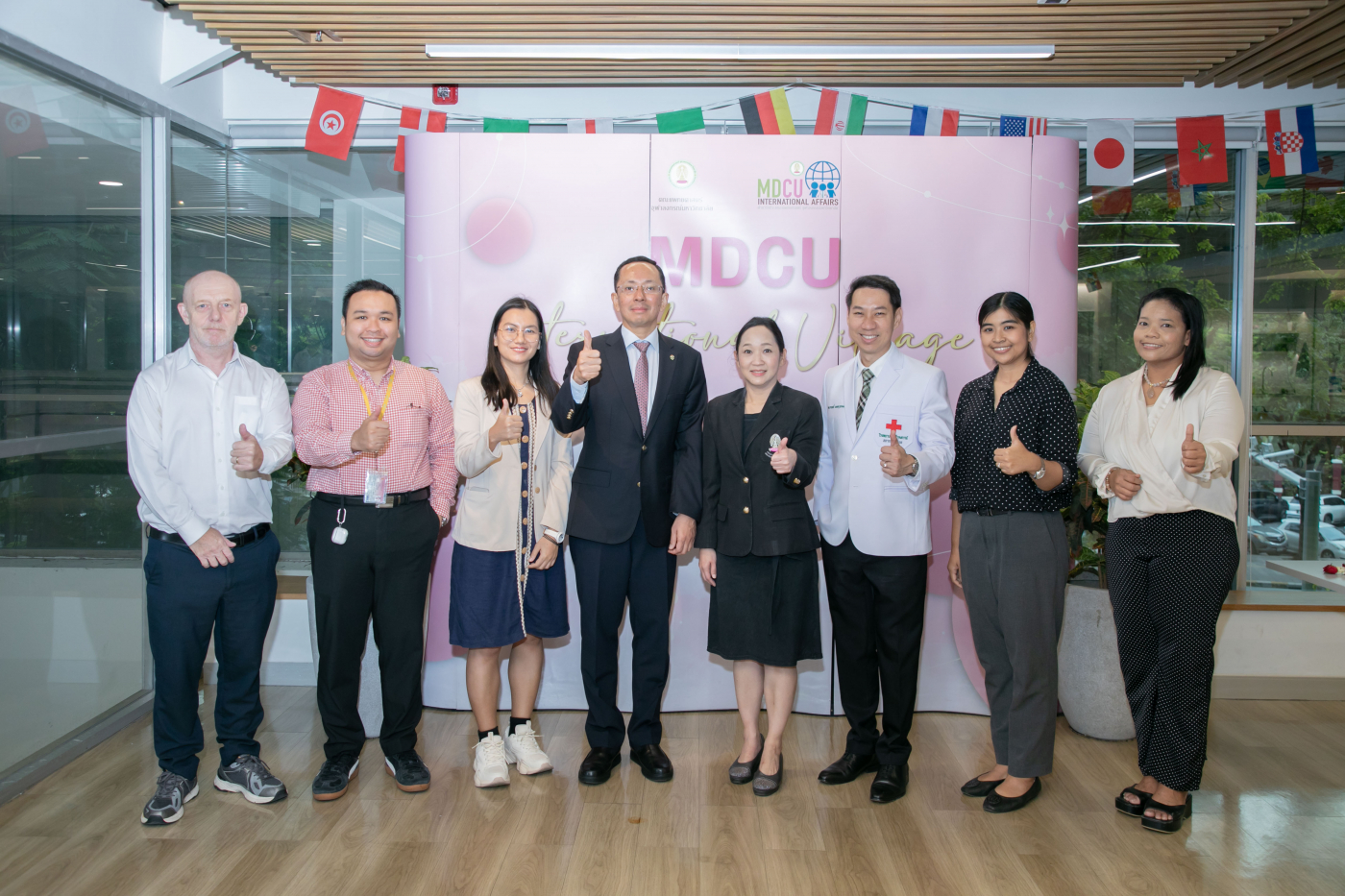
On November 4, 2026, the Faculty of Medicine’s International Affairs, Chulalongkorn University, led by Professor Naricha Chirakalwasan, MD, Associate Dean for International Affairs, hosted a special talk entitled “Future Proof Medicine: Embedding Local Insights with Global Perspectives” featuring Professor Moe Thaw Oo, Head of the MBChB Programme and Professor of Medical Education and Inclusive Practice, School of Medicine, Faculty of Medicine and Health, University of Leeds, United Kingdom. The session welcomed medical students, residents, fellows, faculty members, and researchers, both on-site at the MDCU International Village and online via Zoom, to explore approaches to preparing future healthcare professionals for the changing landscape of medicine.
During the talk, Professor Moe Thaw Oo emphasized that medical education should extend beyond traditional clinical settings—often described as “beds and benches”—to include a deeper understanding of the communities in which healthcare is delivered. He highlighted the importance of developing not only clinical knowledge and technical skills, but also an appreciation of community needs, social contexts, and the broader healthcare environment. This perspective encourages future doctors and healthcare professionals to understand the people and communities they serve, and to connect clinical practice with real-world health challenges.
Another key theme was the development of an interprofessional culture, based on the principle that “Medicine is a team sport.” Professor Moe highlighted the importance of healthcare professionals working and learning together, building a collaborative culture, and valuing diversity and inclusivity. Such an approach helps prepare future doctors to work effectively with professionals from different disciplines and backgrounds, recognizing that quality healthcare depends on collective expertise and shared responsibility.
Drawing on the University of Leeds’ experience, Professor Moe also presented the concept of “Civic Partnerships: Generating Impacts for Local Communities,” illustrating how medical schools can broaden clinical placements through collaboration with a wider network of healthcare and community partners. These include primary care providers, community teams, NHS England, other healthcare providers, social services, and voluntary and community organisations. The framework also highlights the supporting roles of placement teams, continuing professional development (CPD), and central administrative services, including finance, human resources, and business support. Through these interconnected partnerships, clinical learning opportunities can extend beyond hospitals into diverse community settings, allowing students to gain broader practical experience while contributing to local healthcare needs.
This special talk provided an opportunity to exchange perspectives and explore approaches to advancing medical education through community engagement, interprofessional learning, and partnerships across different sectors of the healthcare system. In particular, the concept of expanding clinical placements beyond hospitals into community settings allows medical students to learn from a wider range of healthcare contexts and community needs. Beyond developing clinical knowledge and patient care skills, this approach also encourages future healthcare professionals to better understand communities, work collaboratively across disciplines, and apply their knowledge appropriately to meet people’s healthcare needs.
——————————————-
คณะแพทยศาสตร์ จุฬาฯ จัด Special Talk เชิญศาสตราจารย์จาก University of Leeds ถ่ายทอดแนวคิด “Future Proof Medicine” เชื่อมโยงบริบทชุมชนกับมุมมองระดับโลก
เมื่อวันที่ 4 พฤศจิกายน 2569 ฝ่ายวิรัชกิจ คณะแพทยศาสตร์ จุฬาลงกรณ์มหาวิทยาลัย นำโดย ศ.พญ.นฤชา จิรกาลวสาน รองคณบดีด้านวิรัชกิจ จัดการบรรยายพิเศษ “Future Proof Medicine: Embedding Local Insights with Global Perspectives” โดยได้รับเกียรติจาก Professor Moe Thaw Oo Head of the MBChB Programme และ Professor of Medical Education and Inclusive Practice, School of Medicine, Faculty of Medicine and Health, University of Leeds สหราชอาณาจักร เป็นวิทยากร โดยมีนิสิตแพทย์ แพทย์ประจำบ้าน แพทย์ประจำบ้านต่อยอด คณาจารย์ และนักวิจัย เข้าร่วมรับฟัง ณ MDCU International Village และผ่านระบบออนไลน์ Zoom เพื่อแลกเปลี่ยนแนวคิดและเรียนรู้แนวทางการเตรียมความพร้อมบุคลากรทางการแพทย์สำหรับอนาคต ท่ามกลางบริบทของระบบสุขภาพที่เปลี่ยนแปลงอย่างต่อเนื่อง
ในการบรรยาย Professor Moe Thaw Oo เน้นย้ำว่า การศึกษาแพทย์ไม่ควรจำกัดอยู่เพียงการเรียนรู้ในโรงพยาบาลหรือห้องเรียนเท่านั้น แต่ควรครอบคลุมถึงการทำความเข้าใจชุมชนและบริบททางสังคมที่เกี่ยวข้องกับการดูแลสุขภาพ โดยนอกเหนือจากความรู้ทางคลินิกและทักษะทางการแพทย์แล้ว นักศึกษาแพทย์และบุคลากรทางการแพทย์ควรมีความเข้าใจถึงความต้องการของประชาชน สภาพแวดล้อมทางสังคม และระบบสุขภาพในภาพรวม เพื่อให้สามารถเชื่อมโยงการดูแลรักษาผู้ป่วยเข้ากับปัญหาและความท้าทายด้านสุขภาพที่เกิดขึ้นจริงในชุมชนได้อย่างเหมาะสม
อีกหนึ่งประเด็นสำคัญคือการส่งเสริมวัฒนธรรมการทำงานร่วมกันระหว่างวิชาชีพ (Interprofessional Culture) ภายใต้แนวคิด “Medicine is a Team Sport” หรือการแพทย์เป็นการทำงานเป็นทีม โดย Professor Moe เน้นถึงความสำคัญของการทำงานและเรียนรู้ร่วมกันระหว่างบุคลากรทางการแพทย์จากหลากหลายสาขาวิชาชีพ การสร้างวัฒนธรรมองค์กรที่ส่งเสริมความร่วมมือ ตลอดจนการให้คุณค่ากับความหลากหลายและการมีส่วนร่วมอย่างเท่าเทียม แนวทางดังกล่าวจะช่วยเตรียมความพร้อมให้นักศึกษาแพทย์สามารถทำงานร่วมกับบุคลากรจากต่างสาขาวิชาชีพและภูมิหลังที่แตกต่างกันได้อย่างมีประสิทธิภาพ โดยตระหนักว่าการให้บริการสุขภาพที่มีคุณภาพเกิดจากความเชี่ยวชาญที่หลากหลายและความรับผิดชอบร่วมกัน
นอกจากนี้ วิทยากรยังได้นำเสนอประสบการณ์ของ University of Leeds ในหัวข้อ “Civic Partnerships: Generating Impacts for Local Communities” ซึ่งแสดงให้เห็นถึงแนวทางการขยายแหล่งฝึกปฏิบัติทางคลินิกของนักศึกษาแพทย์ผ่านเครือข่ายความร่วมมือกับหน่วยงานด้านสุขภาพและชุมชนที่หลากหลาย อาทิ หน่วยบริการปฐมภูมิ ทีมดูแลสุขภาพในชุมชน หน่วยงาน NHS England ผู้ให้บริการด้านสุขภาพอื่น ๆ หน่วยงานบริการสังคม และองค์กรภาคประชาสังคมและอาสาสมัคร โดยมีหน่วยงานสนับสนุนการจัดการแหล่งฝึกปฏิบัติ การฝึกอบรมและพัฒนาวิชาชีพอย่างต่อเนื่อง (Continuing Professional Development: CPD) รวมถึงหน่วยงานสนับสนุนส่วนกลางด้านการเงิน ทรัพยากรบุคคล และการบริหารจัดการ ร่วมเป็นส่วนสำคัญในการขับเคลื่อนเครือข่ายความร่วมมือดังกล่าว แนวทางนี้ช่วยเปิดโอกาสให้นักศึกษาได้เรียนรู้จากสถานการณ์จริงในบริบทชุมชนที่หลากหลาย พร้อมทั้งสร้างคุณค่าและประโยชน์กลับคืนสู่ชุมชนในพื้นที่
การบรรยายพิเศษครั้งนี้เป็นโอกาสในการแลกเปลี่ยนมุมมองและแนวทางการพัฒนาการศึกษาแพทย์ ผ่านการมีส่วนร่วมของชุมชน การเรียนรู้ร่วมกันระหว่างวิชาชีพ และการสร้างเครือข่ายความร่วมมือกับภาคส่วนต่าง ๆ ในระบบสุขภาพ โดยเฉพาะแนวคิดการขยายแหล่งฝึกปฏิบัติทางคลินิกจากโรงพยาบาลสู่ชุมชน ซึ่งช่วยให้นักศึกษาแพทย์ได้เรียนรู้จากบริบทและความต้องการด้านสุขภาพที่หลากหลายมากขึ้น นอกเหนือจากการพัฒนาความรู้และทักษะในการรักษาผู้ป่วยแล้ว ยังส่งเสริมให้บุคลากรทางการแพทย์เข้าใจชุมชน ทำงานร่วมกับบุคลากรต่างวิชาชีพ และสามารถนำความรู้ไปประยุกต์ใช้ในการดูแลสุขภาพของประชาชนได้อย่างเหมาะสม





กลับไปหน้าข่าวประชาสัมพันธ์


About Post Author
