


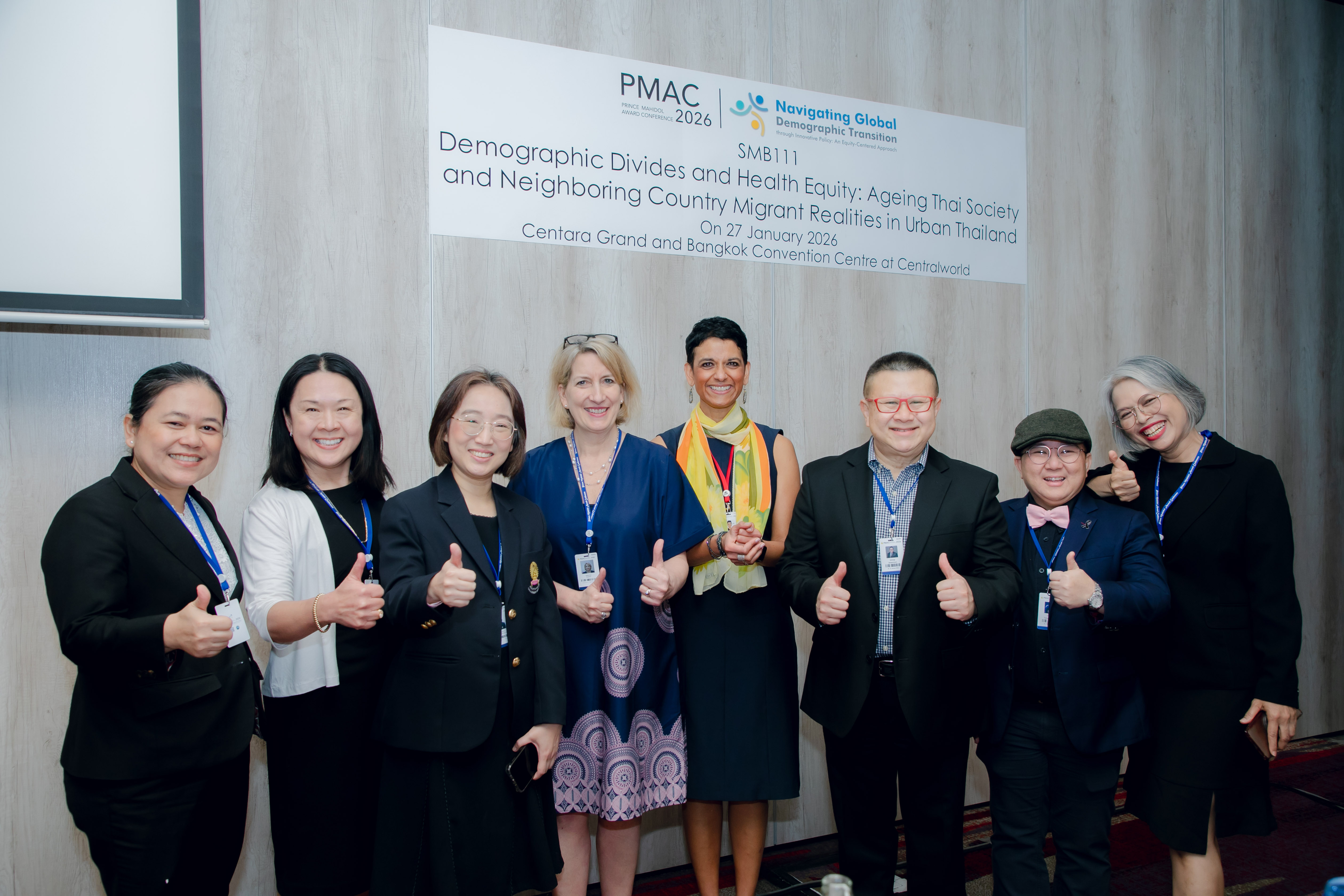
Demographic Divides and Health Equity: สังคมสูงวัยไทยกับความท้าทายด้านสุขภาพของแรงงานข้ามชาติในเมือง
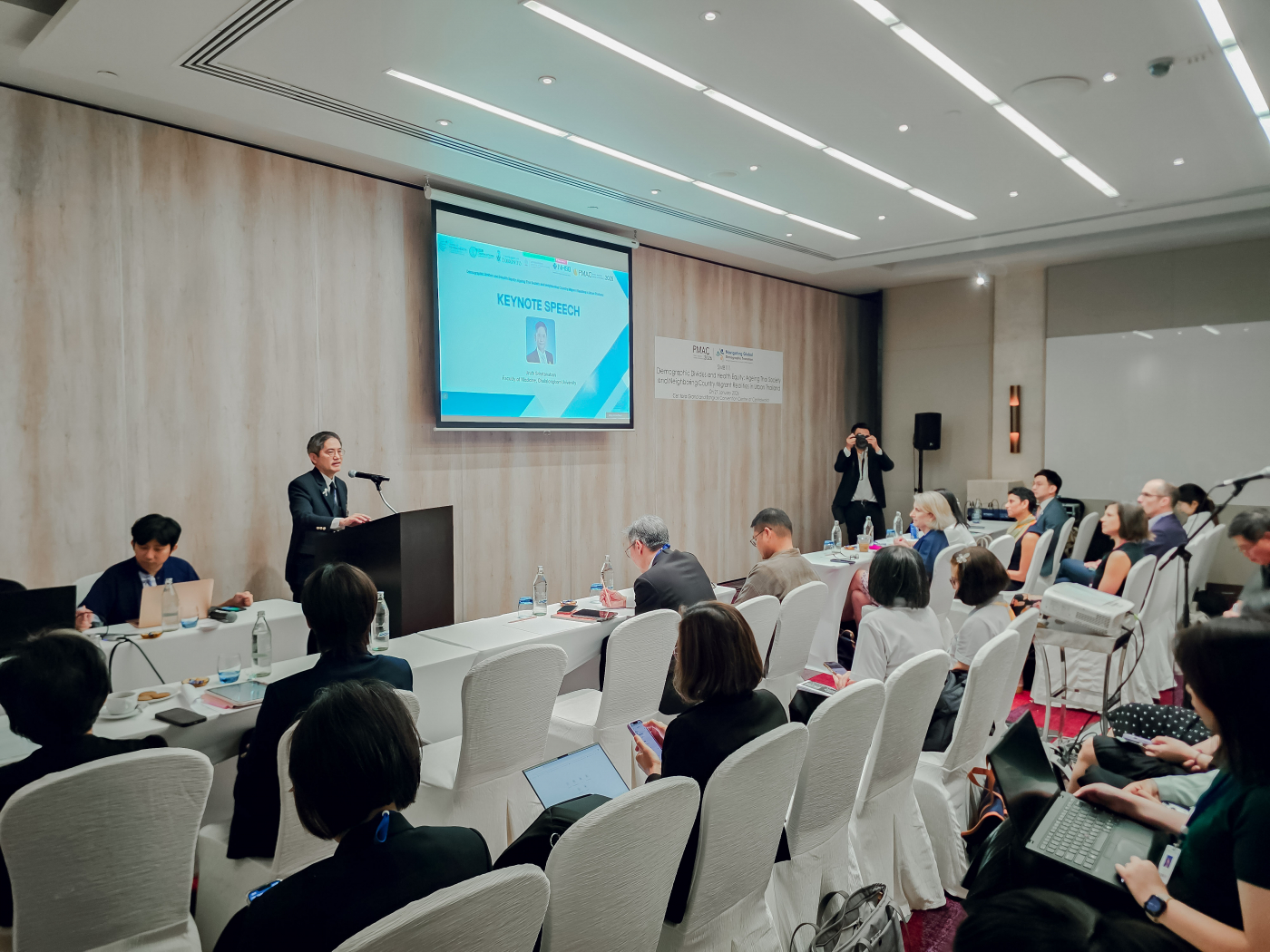
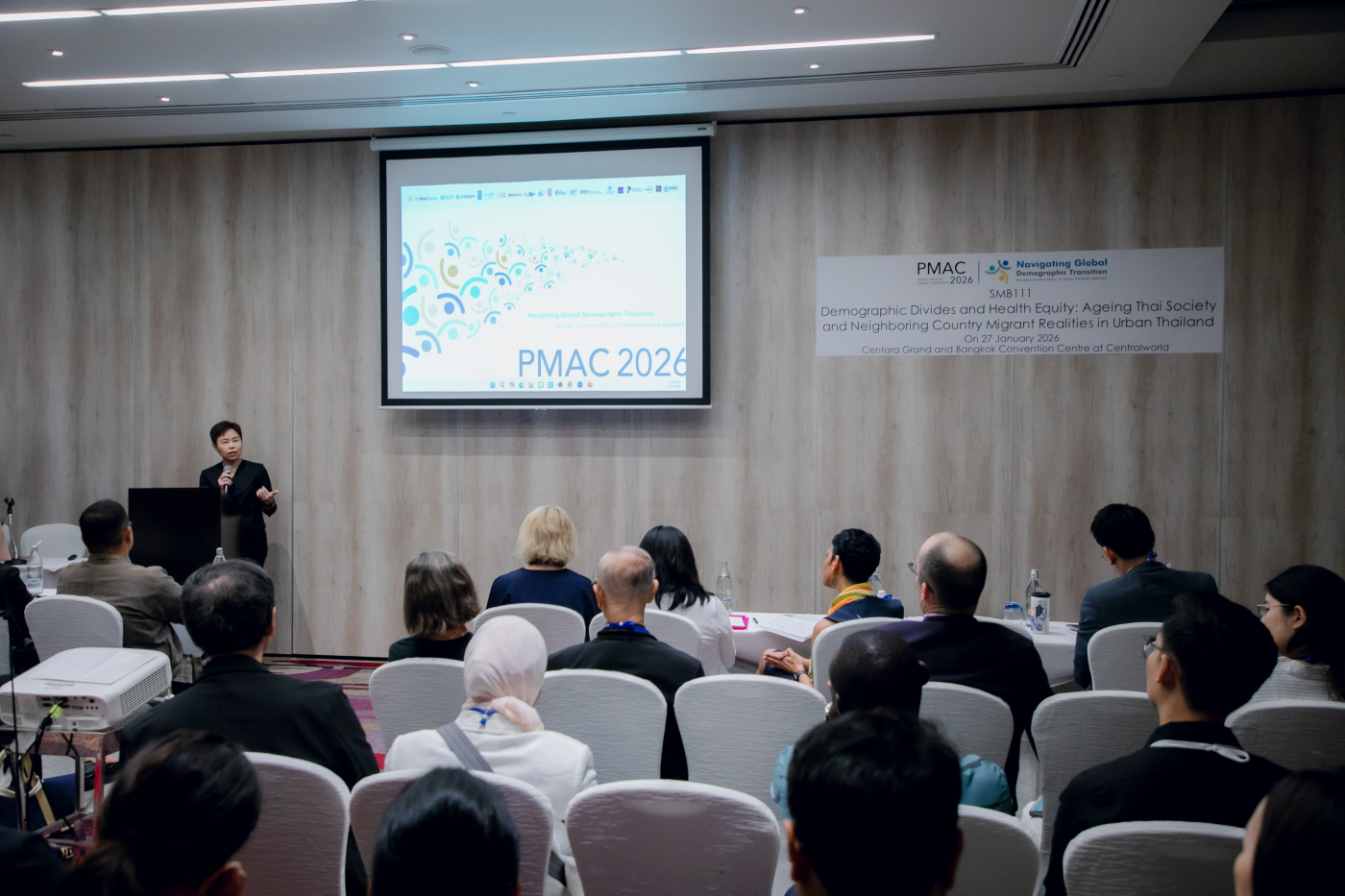
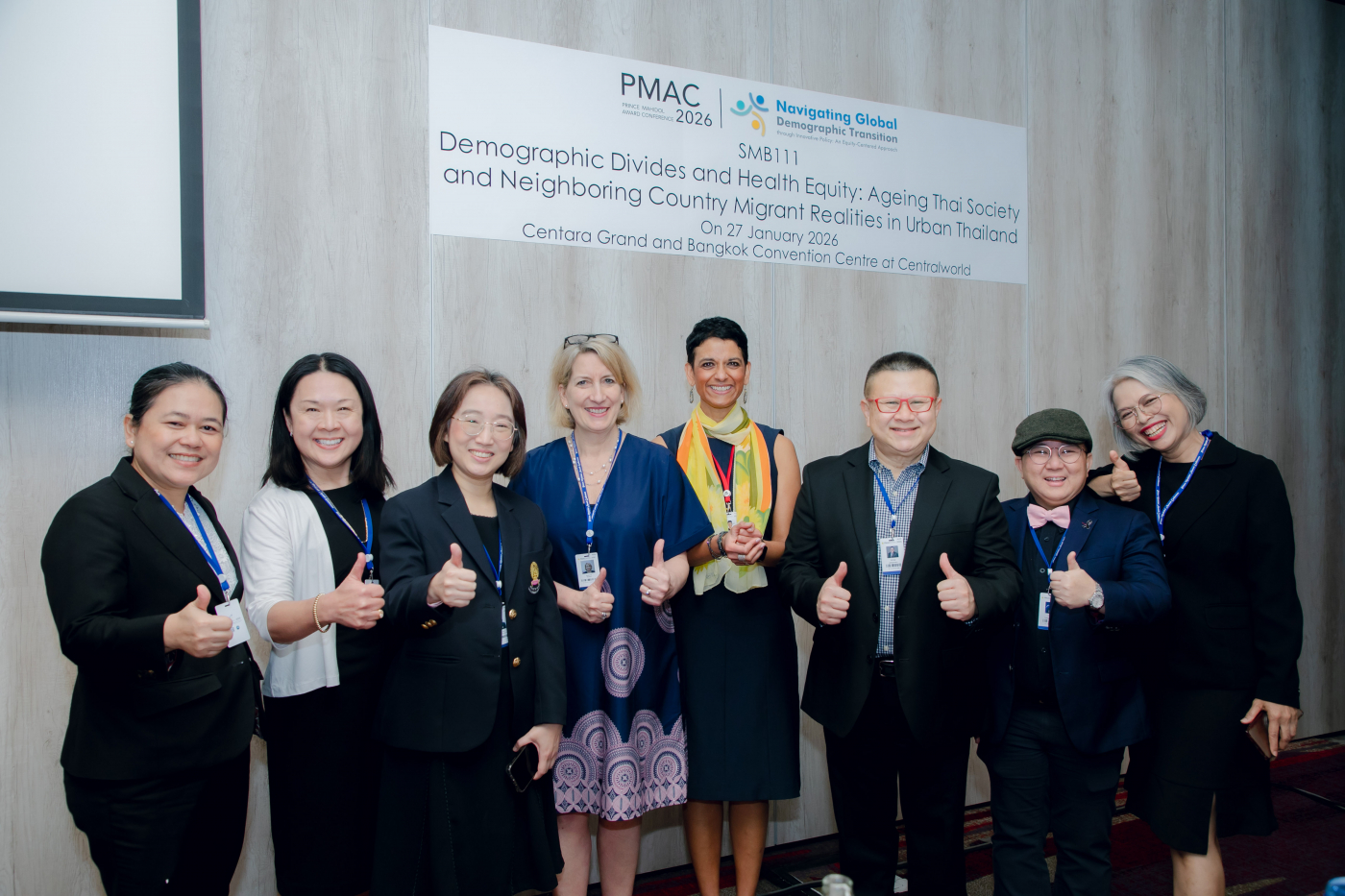
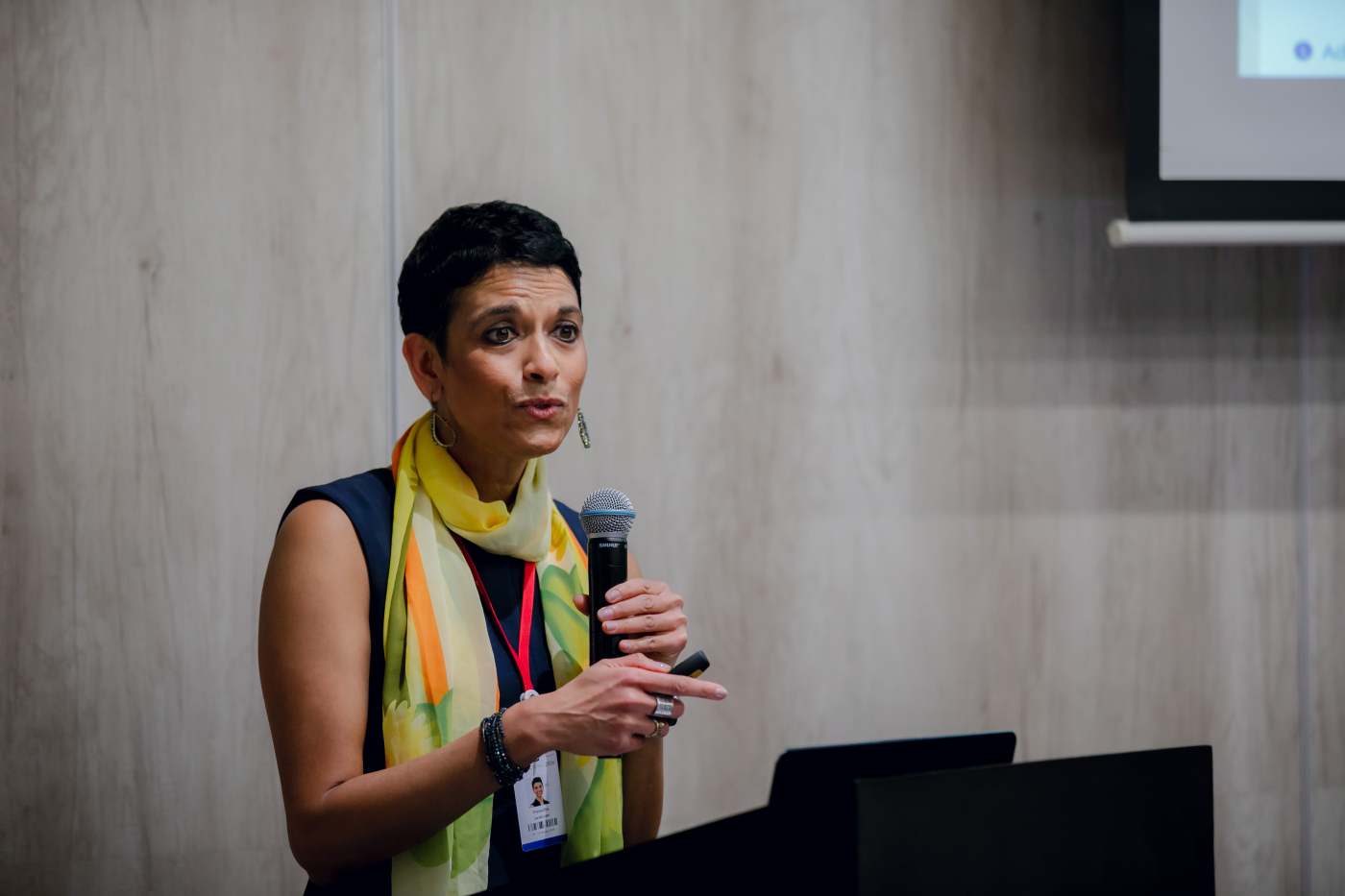
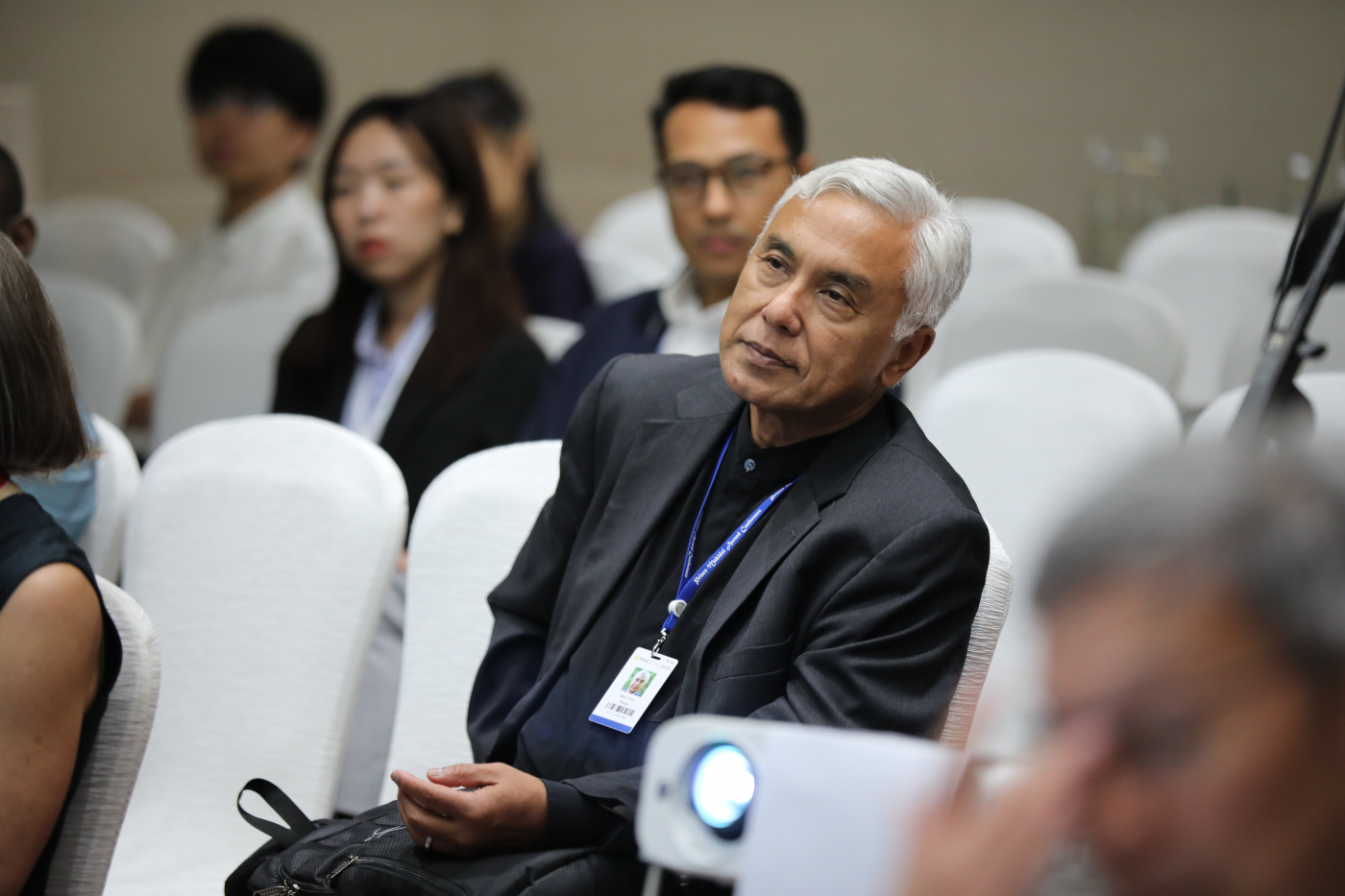
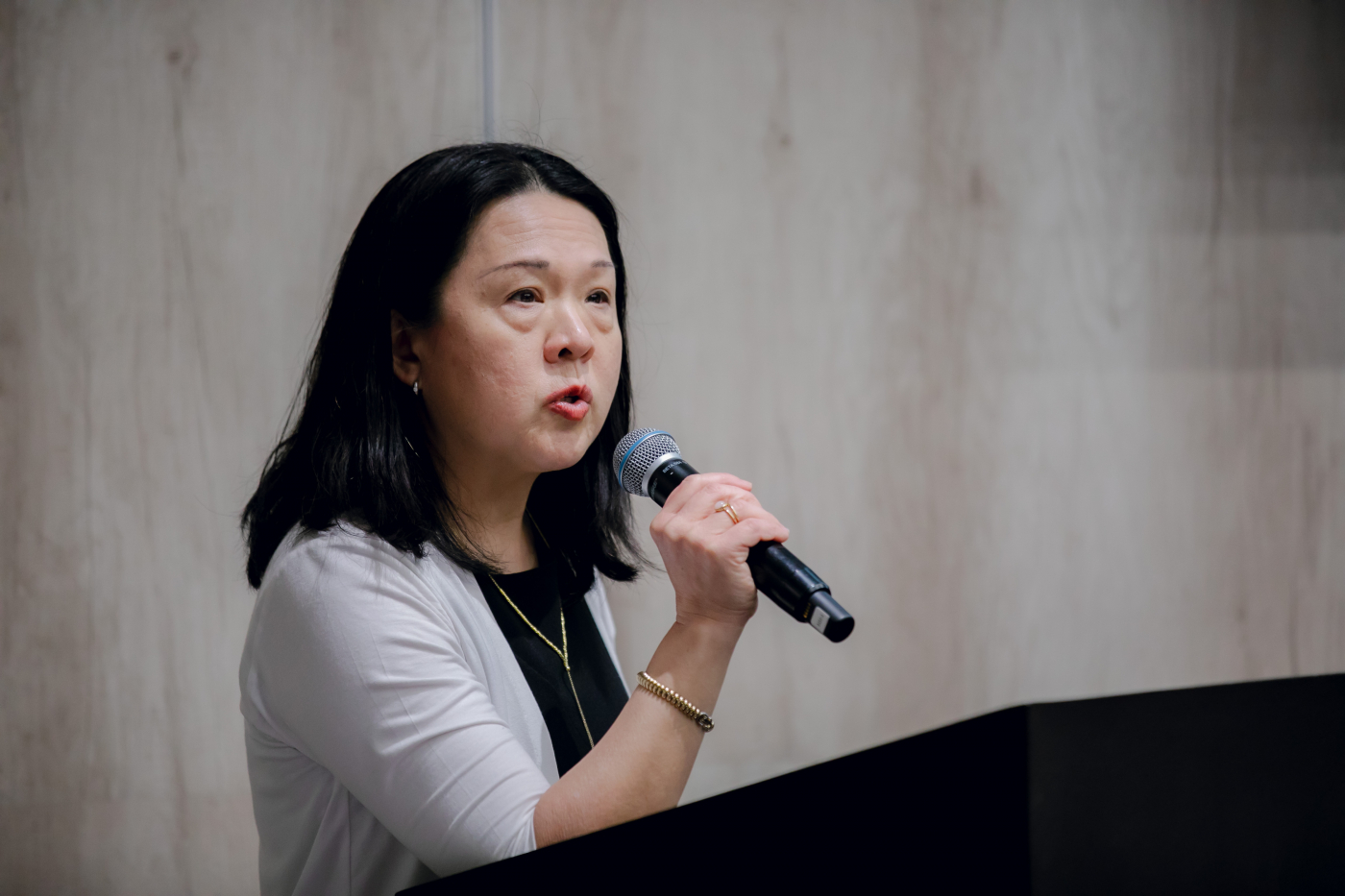
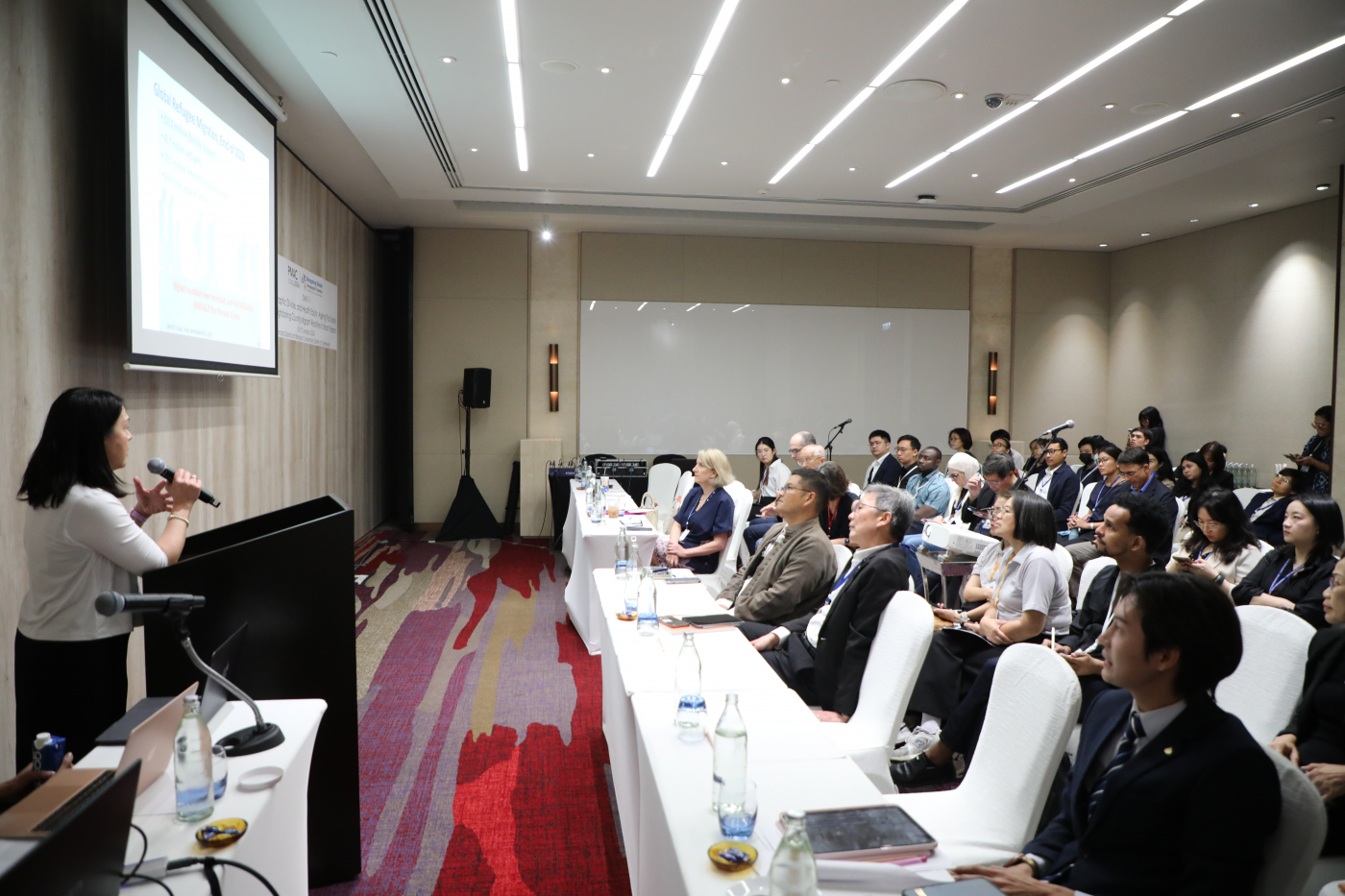
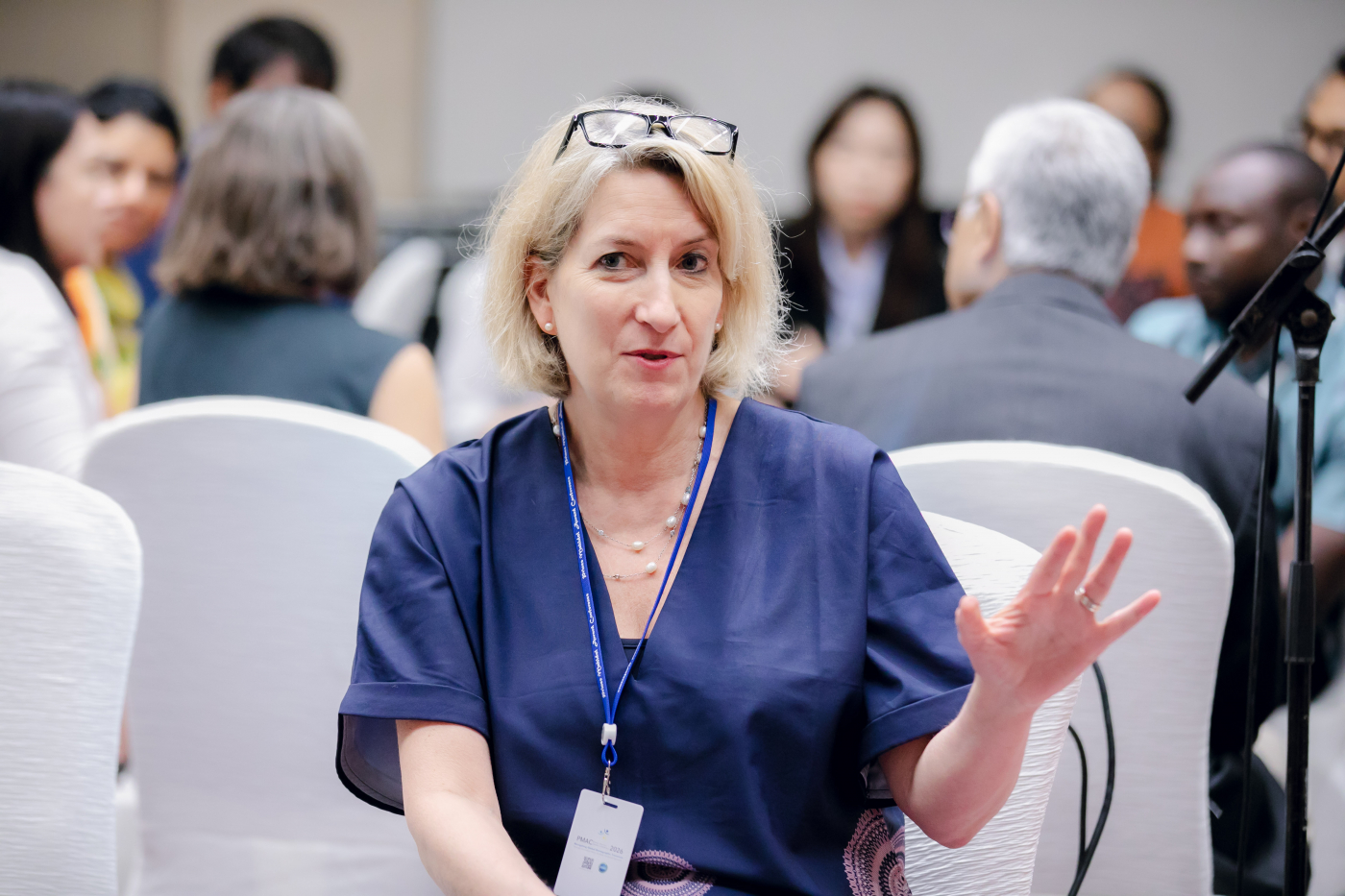
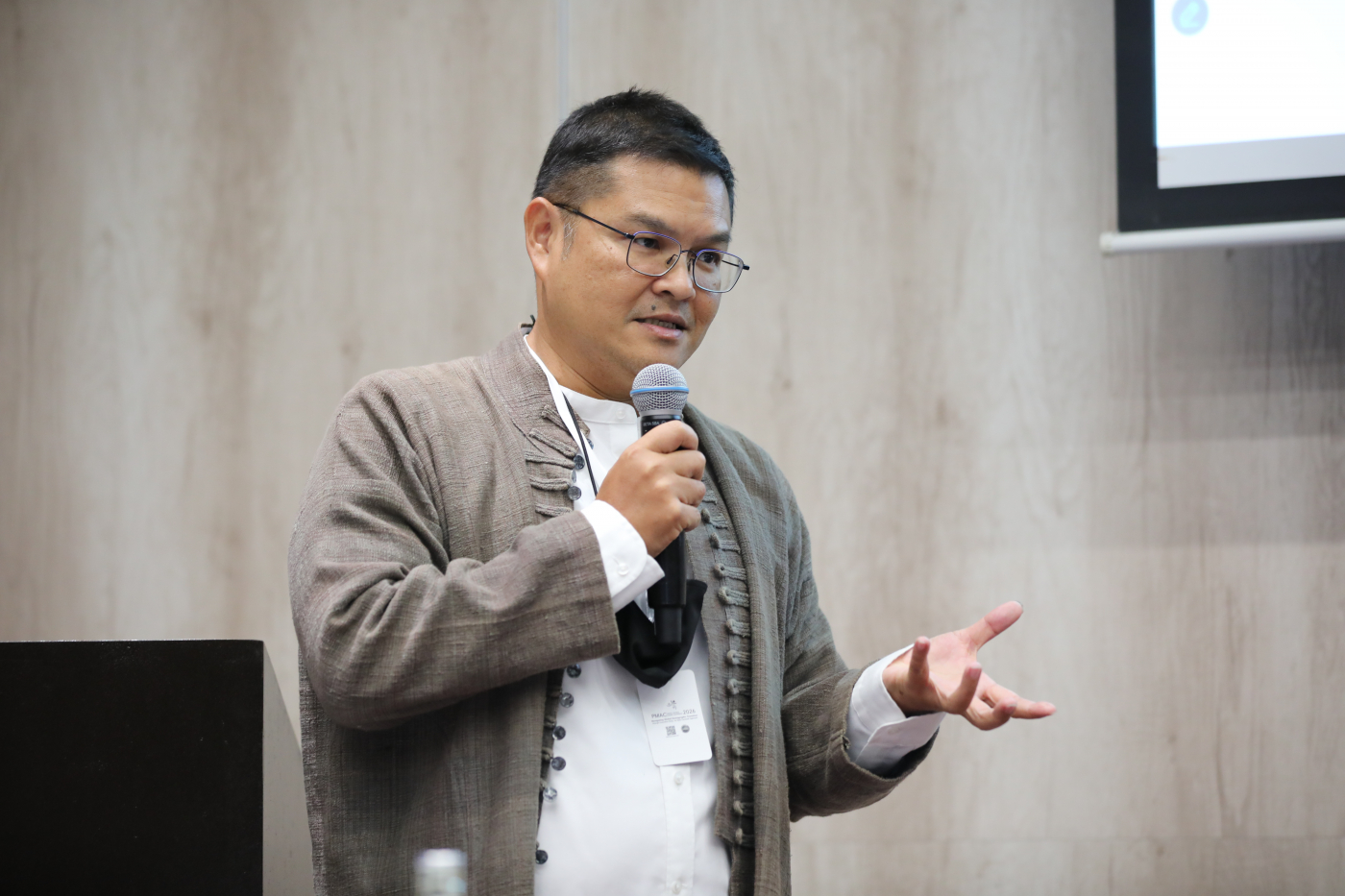
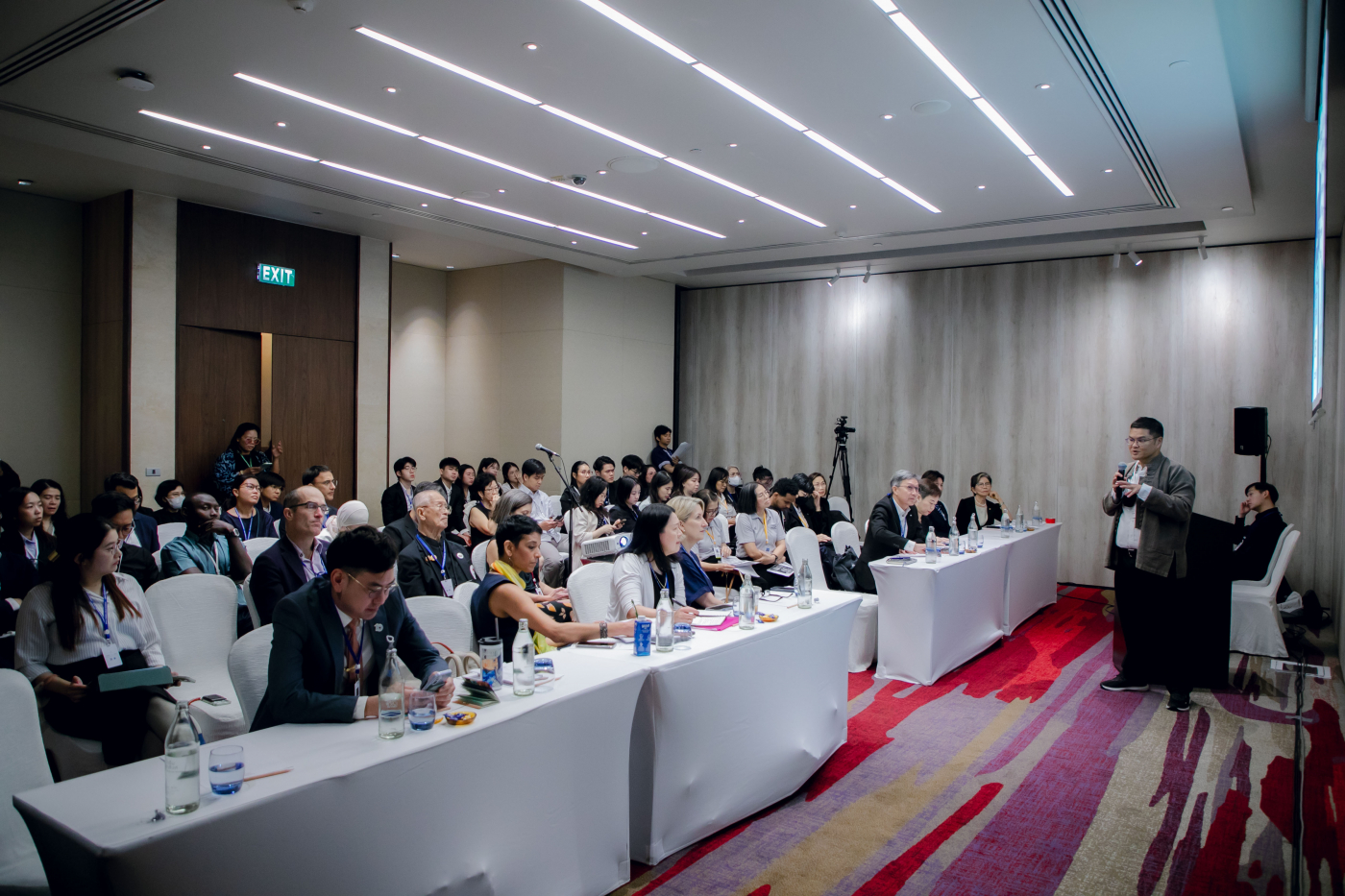
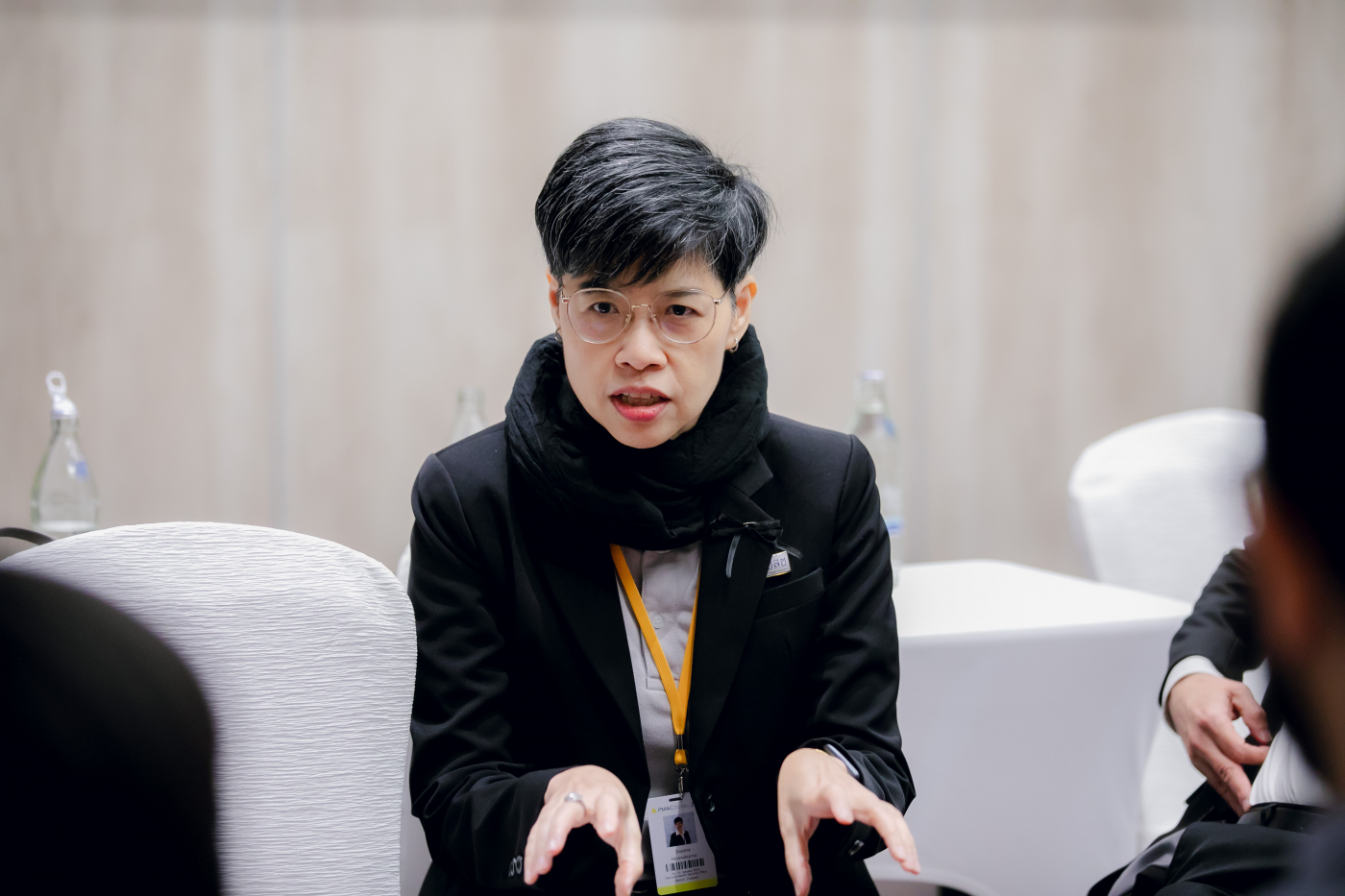
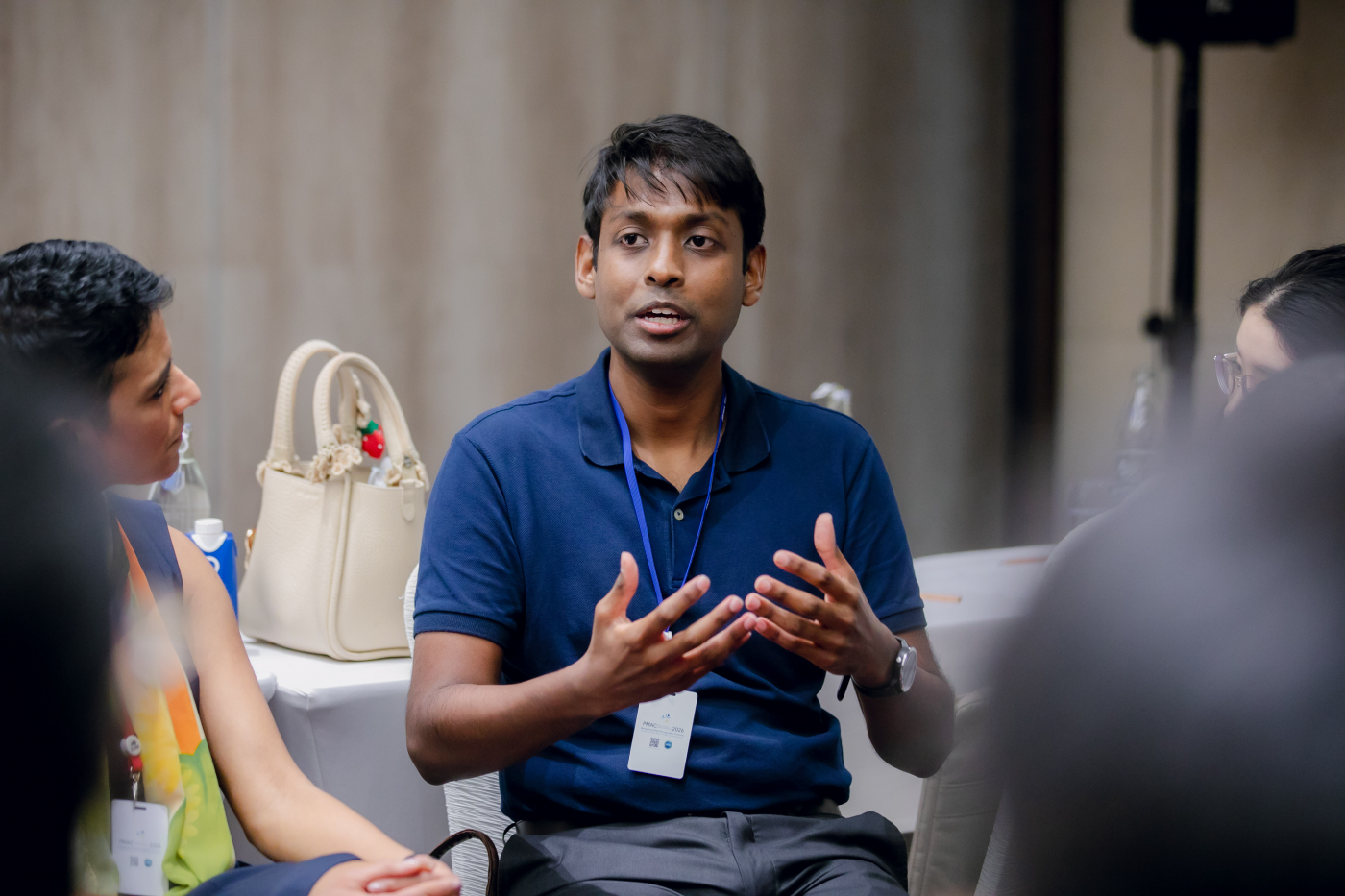
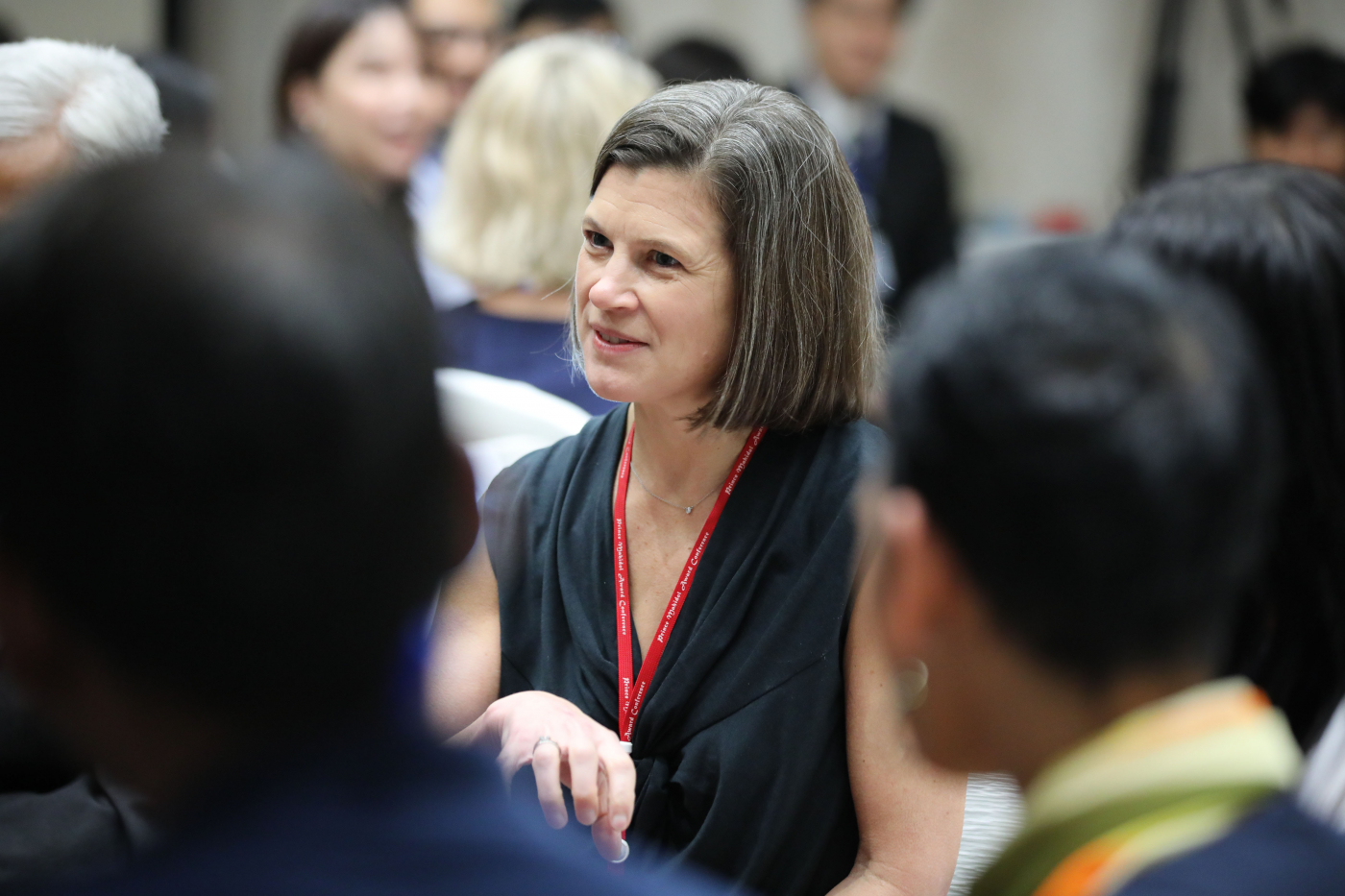
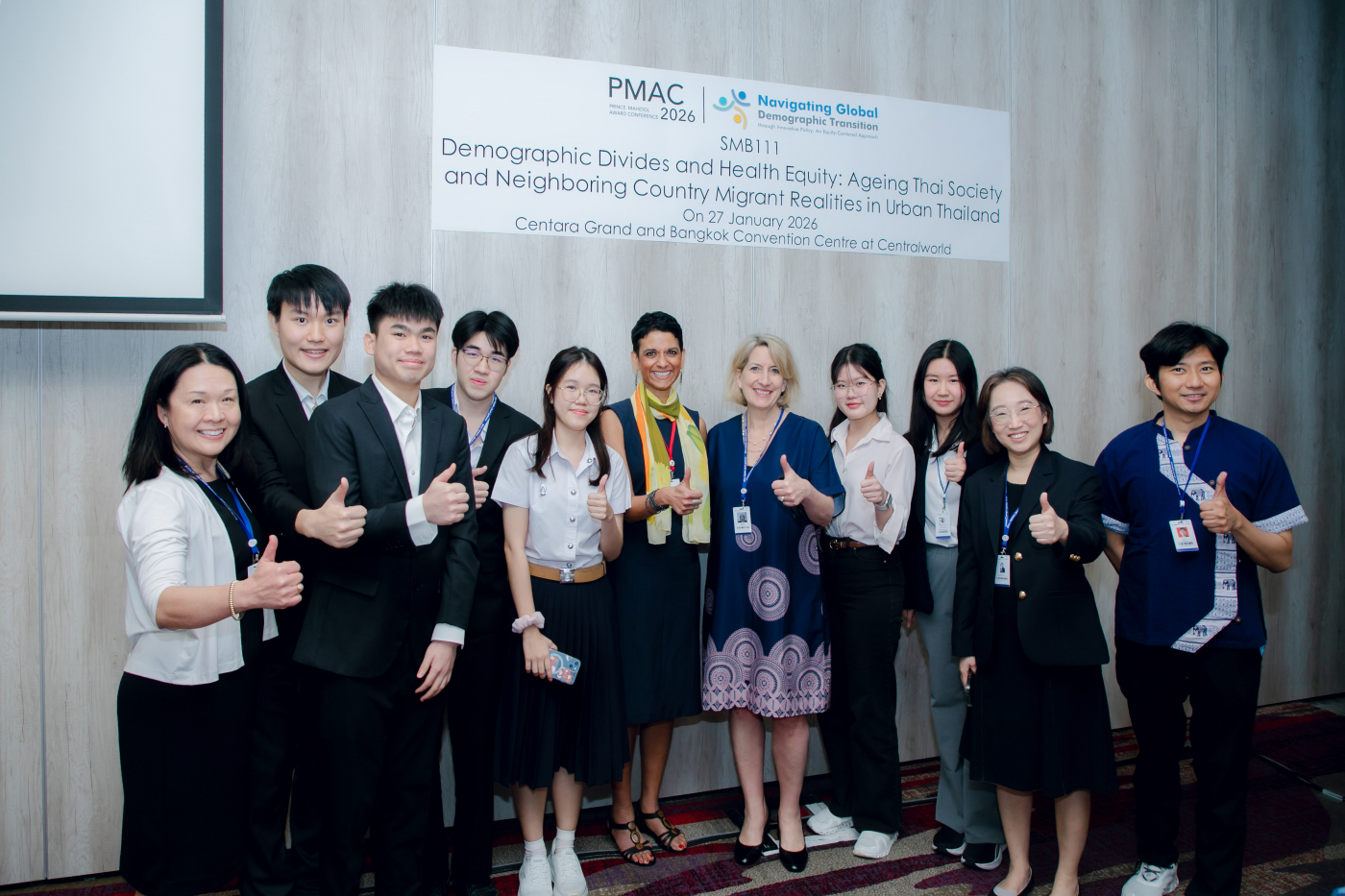
คณะแพทยศาสตร์ จุฬาลงกรณ์มหาวิทยาลัย โดยสำนักวิชาการสุขภาพโลก มีความยินดีอย่างยิ่งที่ได้เป็นเจ้าภาพจัด PMAC 2026 Side Meeting ร่วมกับภาคีเครือข่าย ในวันที่ 27 มกราคม 2569 ณ ศูนย์ประชุม Centara Grand Bangkok Convention Center เพื่อร่วมแลกเปลี่ยนมุมมองเกี่ยวกับความเหลื่อมล้ำด้านสุขภาพในเขตเมือง ท่ามกลางบริบทของ สังคมสูงวัยไทย และ ชุมชนแรงงานข้ามชาติ ที่เป็นกำลังสำคัญของเมืองกรุงเทพมหานคร
การเสวนาครั้งนี้สะท้อนให้เห็นถึงความจำเป็นของระบบสุขภาพเมืองที่ เข้าถึงได้ เป็นธรรม และยึดประชาชนเป็นศูนย์กลางผ่านแนวคิด เวชศาสตร์ชุมชน การเชื่อมโยงบริการทางสังคม (Social Prescribing) และความร่วมมือระหว่างภาครัฐ ภาควิชาการ และภาคประชาสังคม
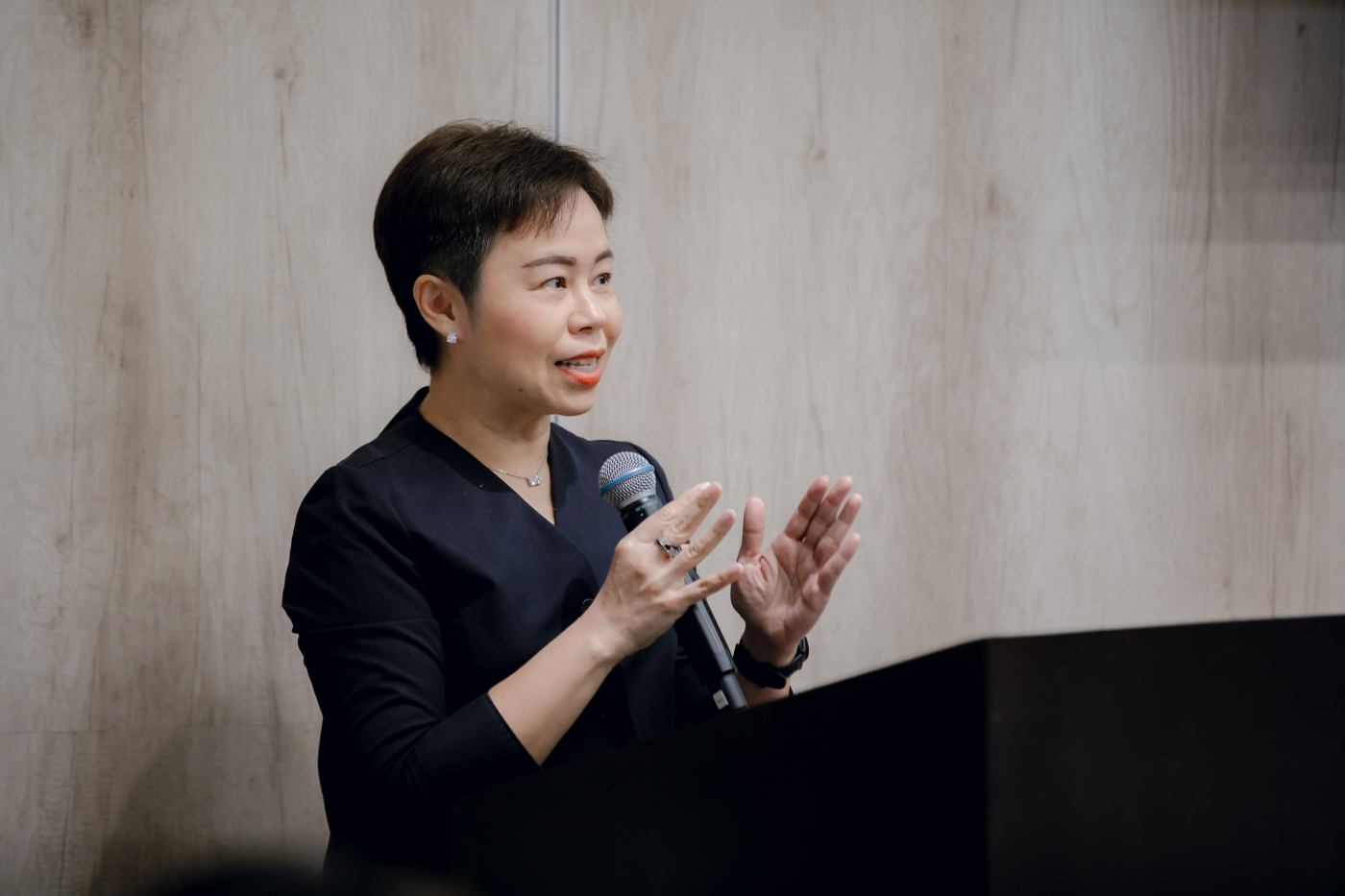
ขอขอบคุณวิทยากรทุกท่านที่ร่วมแบ่งปันองค์ความรู้และประสบการณ์ อาทิ
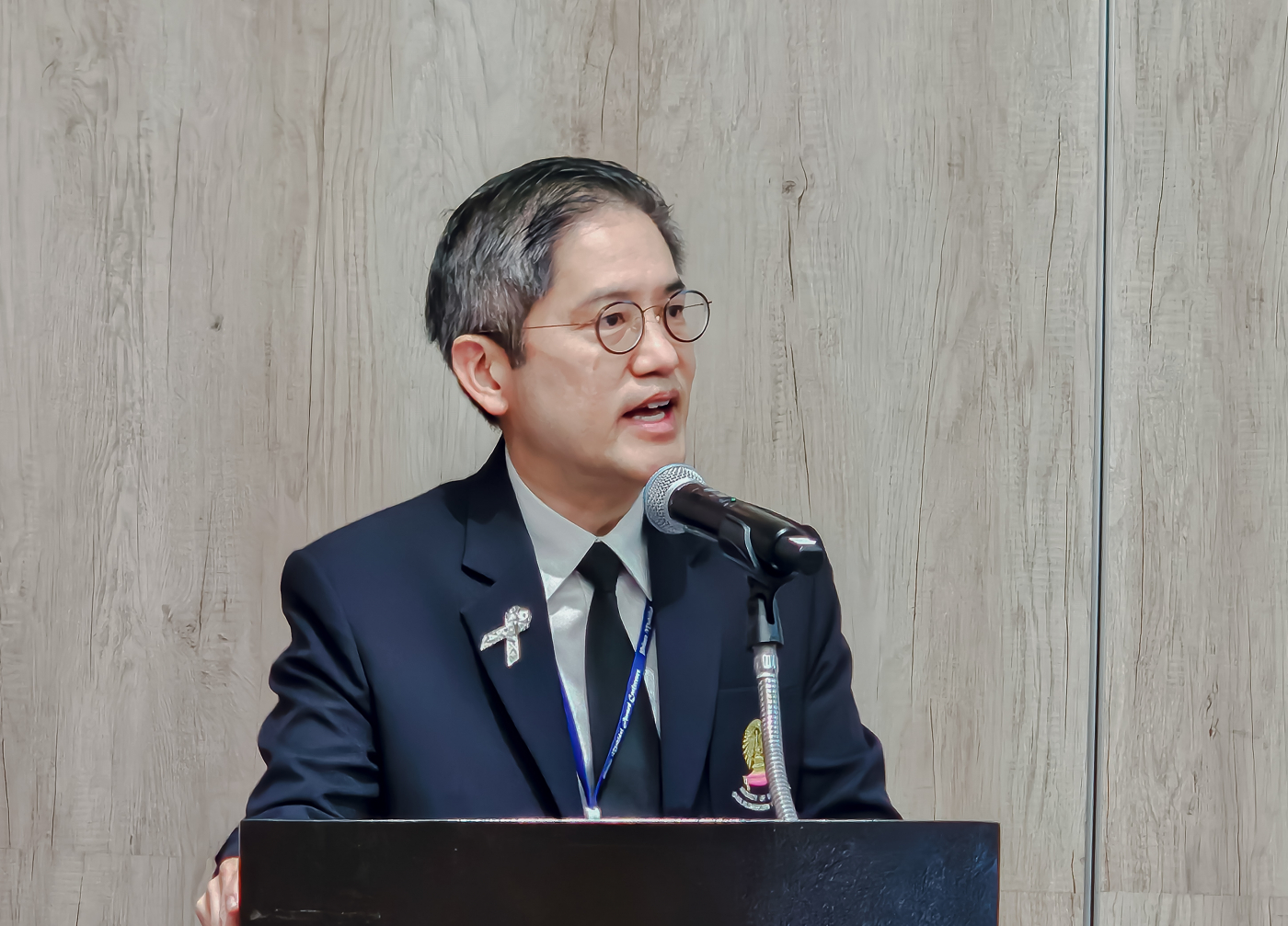
รศ.ดร.นพ.จิรุตม์ ศรีรัตนบัลล์ คณบดี คณะแพทยศาสตร์ จุฬาลงกรณ์มหาวิทยาลัย
รศ.ดร.ทวิดา กมลเวชช รองผู้ว่าราชการกรุงเทพมหานคร
นพ.วีระพันธ์ ลีธนะกุล รองเลขาธิการ สำนักงานหลักประกันสุขภาพแห่งชาติ
Dr. Praseedha Janakiram, Dr. Shirley Lee และ Dr. Katherine Rouleau University of Toronto
ผศ.ดร.จิรยุทธ์ สินธุพันธุ์ สถาบันเอเชียศึกษา จุฬาลงกรณ์มหาวิทยาลัย
อ.ดร.นพ.บูมี เฮอร์แมน School of Global Health คณะแพทยศาสตร์ จุฬาลงกรณ์มหาวิทยาลัย
คุณครูประทีป ฮาตะ และคุณไตเติ้ลจากมูลนิธิดวงประทีป ที่ถ่ายทอดเสียงจากชุมชนและประสบการณ์ตรงของกลุ่มเปราะบางในเมือง
คณะแพทยศาสตร์ จุฬาลงกรณ์มหาวิทยาลัย ยังคงมุ่งมั่นขับเคลื่อนความเสมอภาคทางสุขภาพ การมีส่วนร่วมของชุมชน และการพัฒนาองค์ความรู้ที่สามารถนำไปใช้เชิงนโยบายได้จริง พร้อมทั้งทำงานร่วมกับหน่วยงานภาครัฐ ภาคประชาสังคม และพันธมิตรนานาชาติ เพื่อร่วมสร้างระบบสุขภาพที่ยั่งยืนและไม่ทิ้งใครไว้ข้างหลัง
—–
Demographic Divides and Health Equity: Ageing Thai Society and Migrant Realities in Urban Thailand
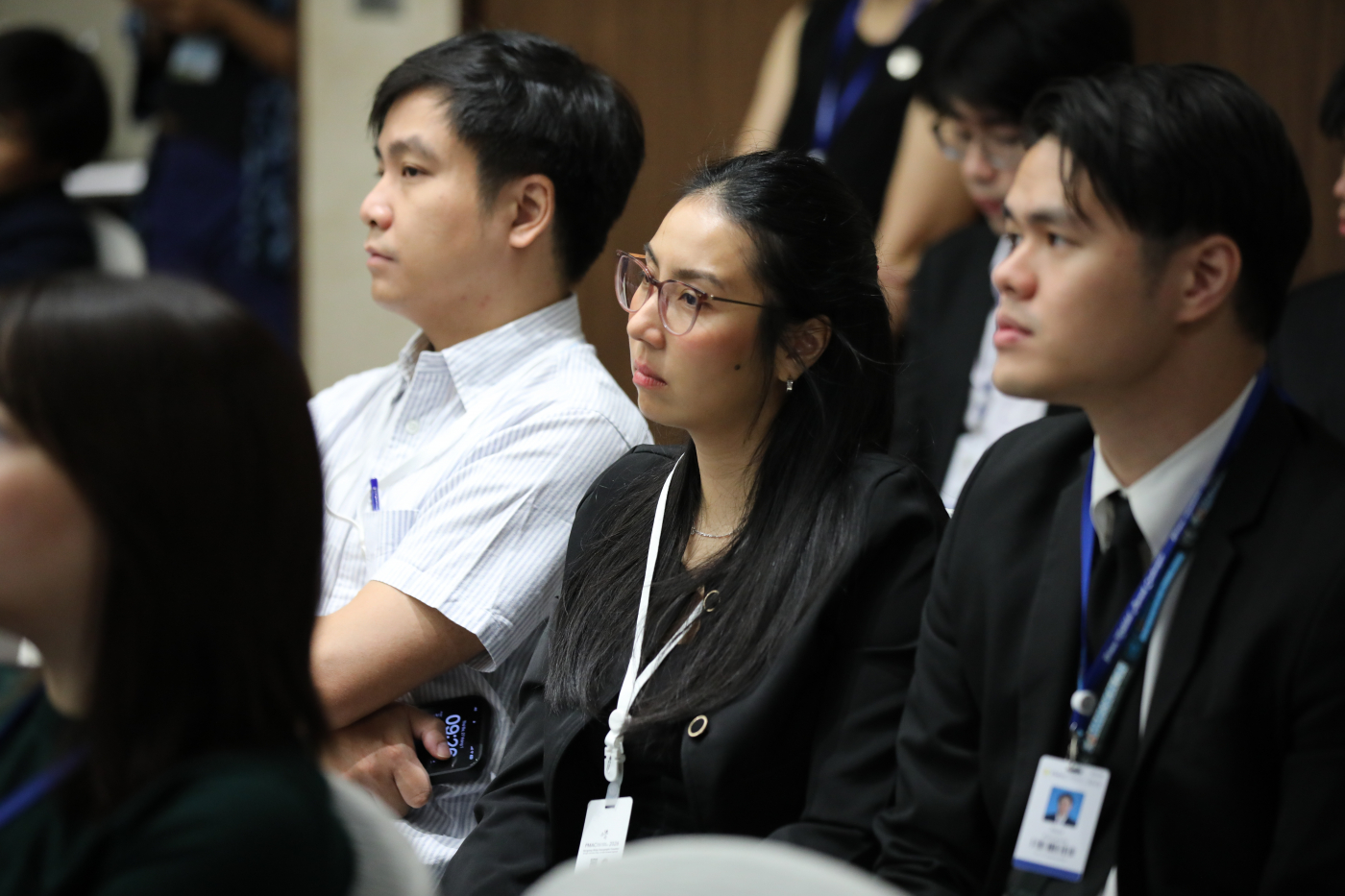
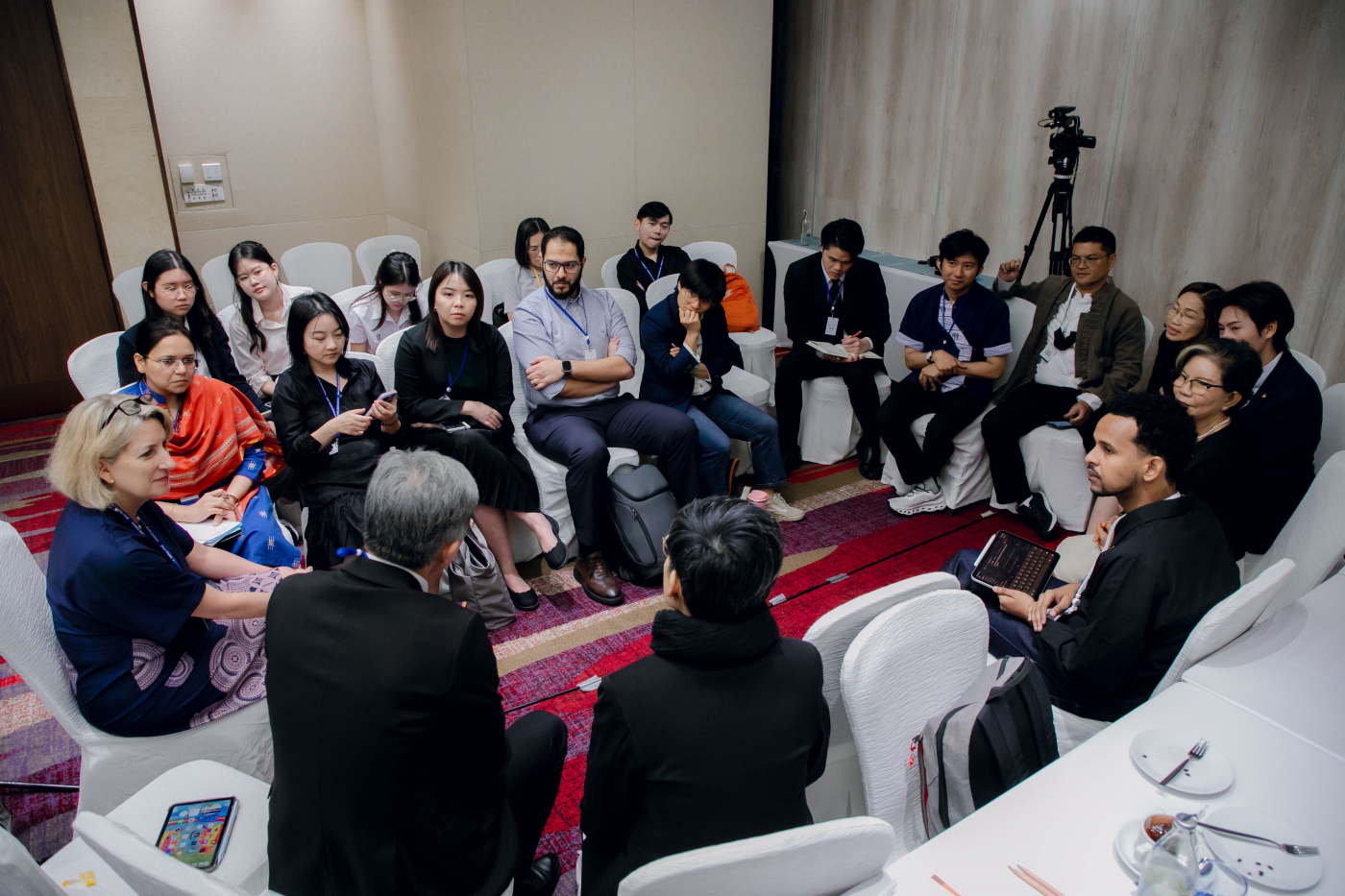
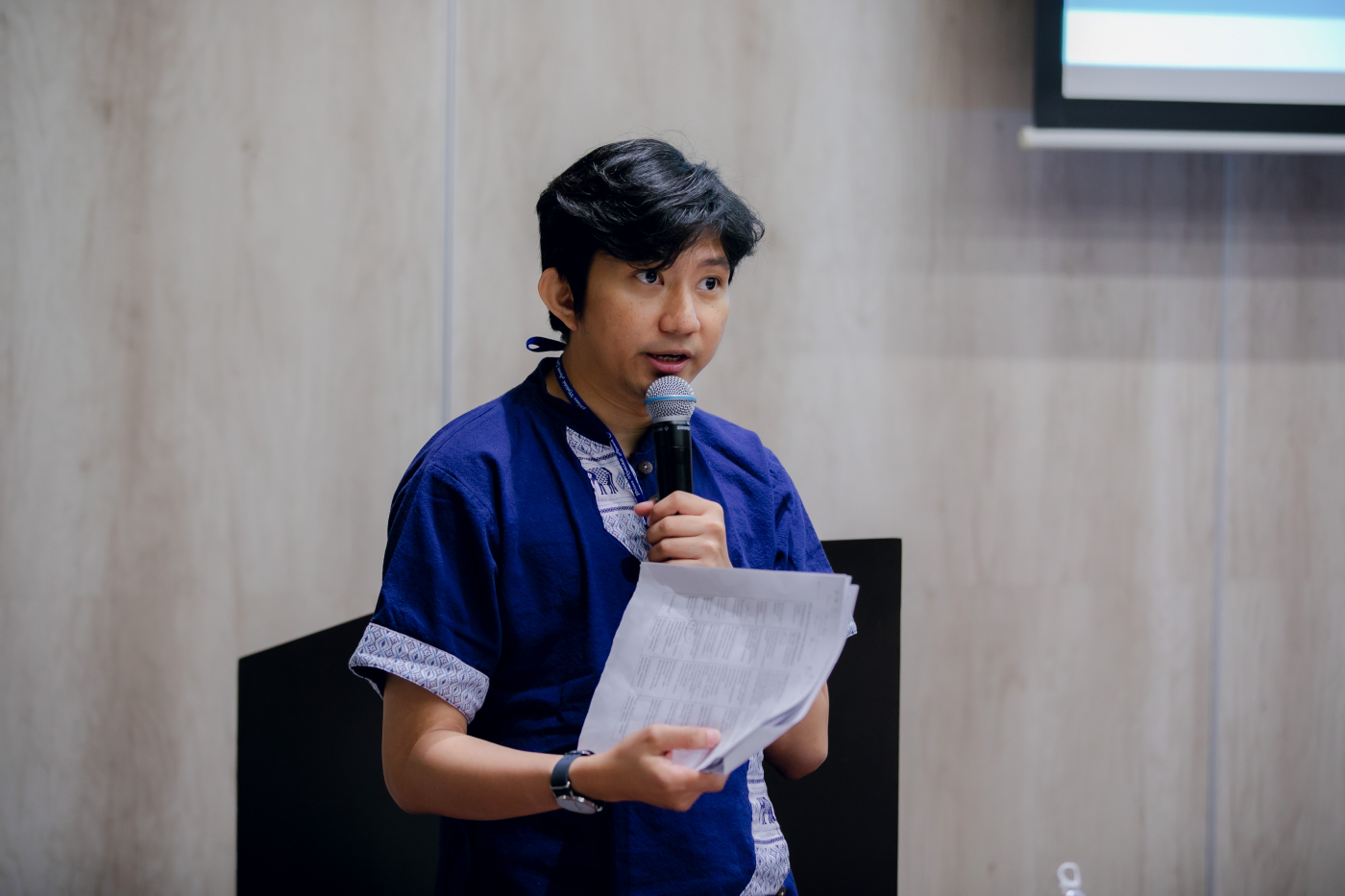
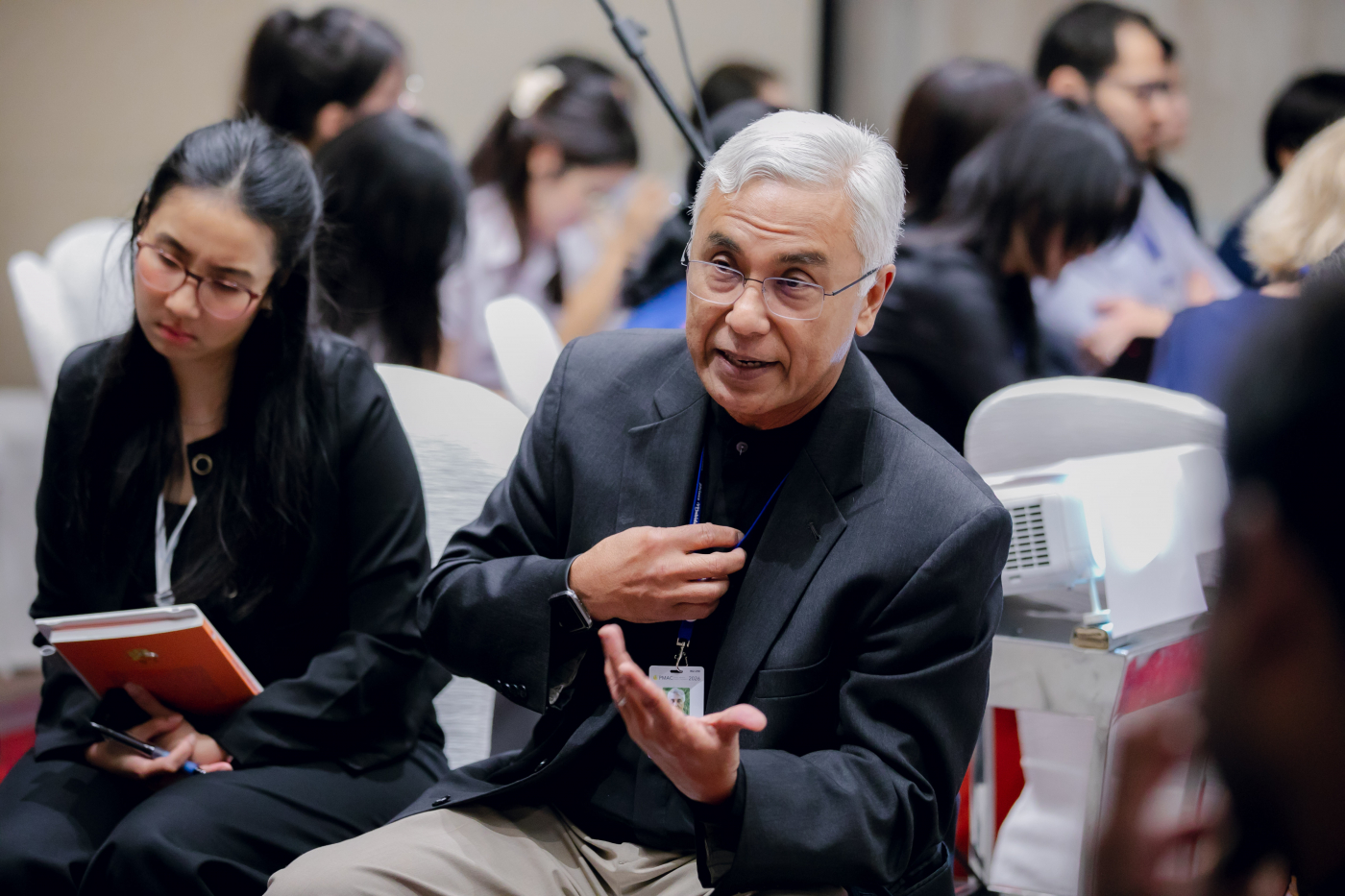
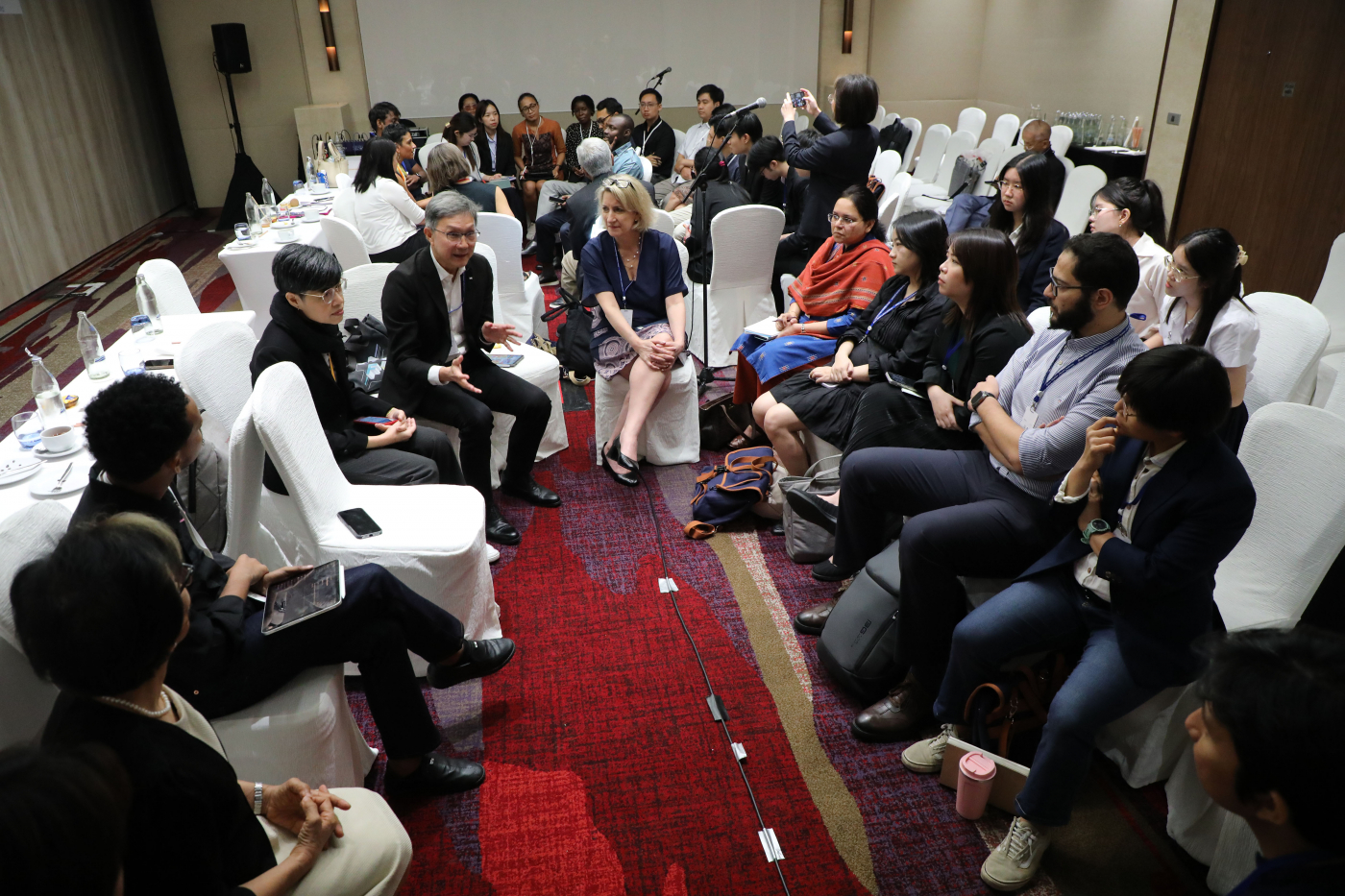
The Faculty of Medicine, Chulalongkorn University, through the School of Global Health, was honored to host the PMAC 2026 Side Meeting on 27 January 2026. The session brought together policymakers, academics, civil society organizations, and community leaders to exchange perspectives on one of Bangkok’s most important and complex realities — an ageing Thai society living alongside vibrant and diverse migrant communities within the same urban environment.
As cities evolve, demographic shifts are increasingly intertwined with social determinants of health. The discussion explored how these changes can widen health inequities, while also creating opportunities to design more inclusive, community-centered, and resilient urban health systems that respond to the needs of all populations.
We were privileged to learn from distinguished speakers representing diverse sectors and experiences, including:
- Dr. Jiruth Sriratanaban, Faculty of Medicine, Chulalongkorn University
- Dr. Tavida Kamolvej, Bangkok Metropolitan Administration
- Dr. Praseedha Janakiram, Dr. Shirley Lee, and Dr. Katherine Rouleau, University of Toronto
- Dr. Jirayudh Sinthuphan, Institute of Asian Studies, Chulalongkorn University
- Dr. Weraphan Leethanakul, National Health Security Office
- Ms. Prateep Hata, Duang Prateep Foundation — who shared powerful community perspectives and lived experiences of vulnerable urban populations
- Dr. Bumi Herman, School of Global Health, Chulalongkorn University
Key discussions highlighted the importance of community medicine, social prescribing, health system navigation, and cross-sector collaboration in addressing the health and social needs of both older Thai populations and migrant workers. The session emphasized moving beyond fragmented approaches toward integrated, people-centered urban health systems.
The Faculty of Medicine, Chulalongkorn University remains committed to advancing health equity, strengthening community engagement, and generating policy-relevant evidence.
We will continue working closely with government partners, civil society, and international collaborators to co-create sustainable solutions that ensure no one is left behind.
🙏 Our sincere appreciation goes to all speakers, participants, partner organizations, and community representatives for sharing their knowledge, experiences, and commitment to building inclusive urban health systems.





กลับไปหน้าข่าวประชาสัมพันธ์


About Post Author
